ChipApex | Global Electronic Components Supplier
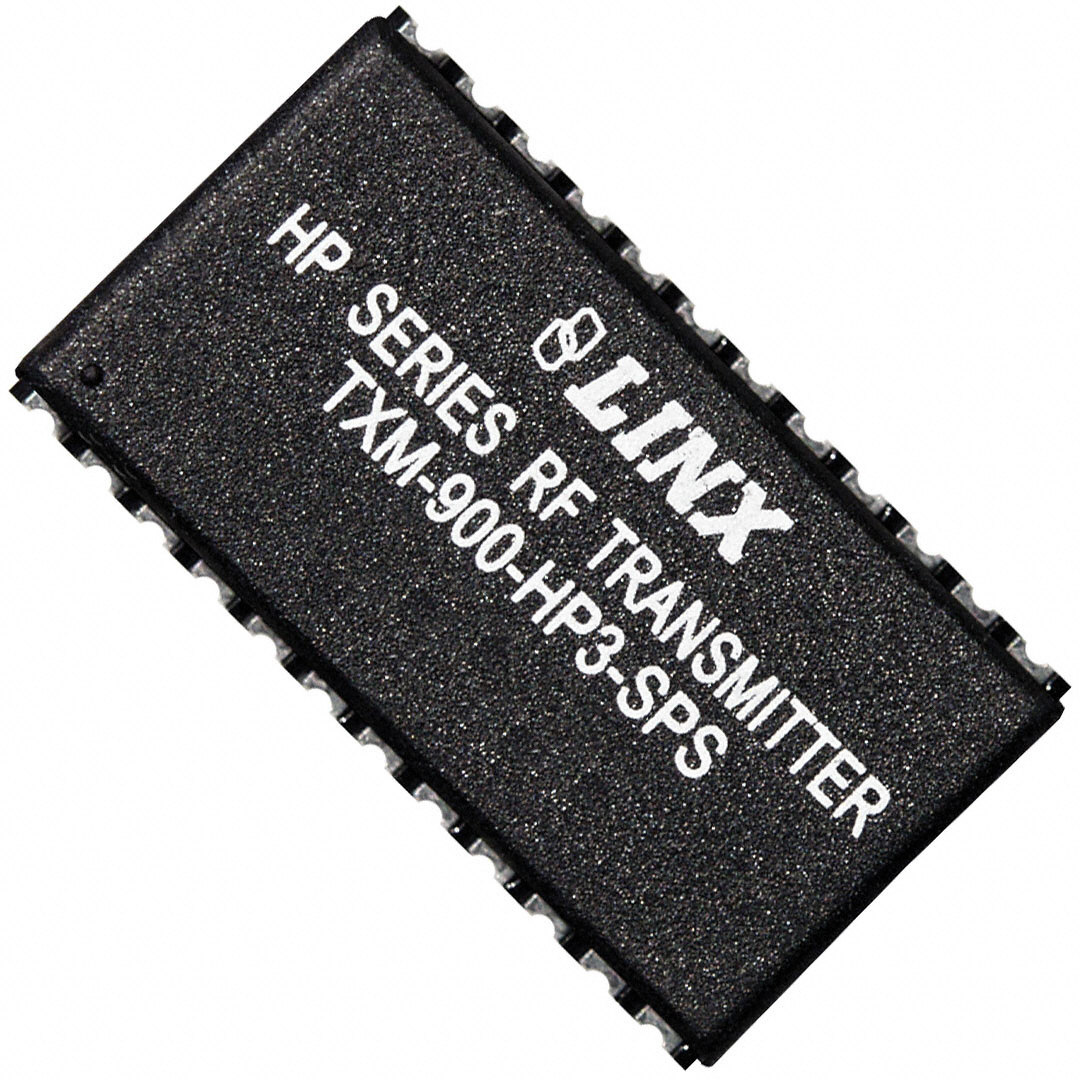
TXM-900-HP3-SPS
Search Product
Search Post
— IC芯片 | 连接器 | 传感器 | 被动器件 —
Search productSearch post
— IC芯片 | 连接器 | 传感器 | 被动器件 —
Consult the customer manager about the wholesale price.
consultation hotline:86-132-6715-2157
email:chipapexlimited@gmail.com
Contact the product manager for consultation. One-stop consultation is available.
Do you want a lower wholesale price? Please send us your inquiry and we will reply immediately.
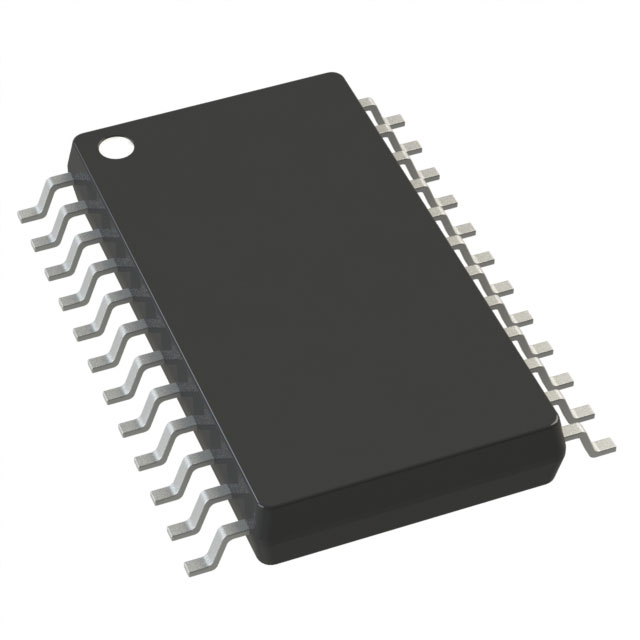
TE Connectivity Linx TXM-900-HP3-SPS is used in RF Transmitters category in RF signal paths where layout, grounding, and interface choices determine real performance. Key specs include Description (RF TX IC FM 902-928MHZ 24SMD MOD), Temperature (-30°C ~ 85°C), Package/case (24-SMD Module), Mounting (Surface Mount), and Packaging (Tube).
What are common selection points for RF parts like TXM-900-HP3-SPS?
Compare frequency coverage, loss/isolation trade-offs, power handling, and mechanical interface constraints (connectors, mounting).
What operating frequency does TXM-900-HP3-SPS run at?
902MHz ~ 928MHz
Which Modulation or Protocol is specified for TXM-900-HP3-SPS?
FM, FSK
What current consumption is specified for TXM-900-HP3-SPS?
14mA
Within many RF Transmitters builds, TE Connectivity Linx TXM-900-HP3-SPS is reviewed for predictable behavior, supportability, and stable qualification evidence. In many designs, predictable coexistence and filtering margins matter more than peak gain, because certification and field behavior depend on stability. Teams often validate RF blocks with real cable lengths and connectors because small impedance changes can move margins and spur profiles. Within IoT gateways, RF coexistence and filtering choices determine reliability near switching supplies and digital noise. Across drones and remote sensing payloads, RF stages are validated for sensitivity and coexistence under tight power budgets and compact antennas. In remote sensing nodes, RF links are qualified for detuning and coexistence because packaging and mounting dominate outcomes. Across many programs, a focused validation plan surfaces the real risks earlier than additional schematic iteration. In field deployments, stable behavior across temperature and supply variation is what prevents hard-to-reproduce failures.
 TXM-900-HP3-SPS
The activity of extra discounts on wholesale prices is in full swing…
Please fill in your contact information and we will send you the latest wholesale price list.