ChipApex | Global Electronic Components Supplier
EZO-PSR
Search Product
Search Post
— IC芯片 | 连接器 | 传感器 | 被动器件 —
Search productSearch post
— IC芯片 | 连接器 | 传感器 | 被动器件 —
Consult the customer manager about the wholesale price.
consultation hotline:86-132-6715-2157
email:chipapexlimited@gmail.com
Contact the product manager for consultation. One-stop consultation is available.
Do you want a lower wholesale price? Please send us your inquiry and we will reply immediately.
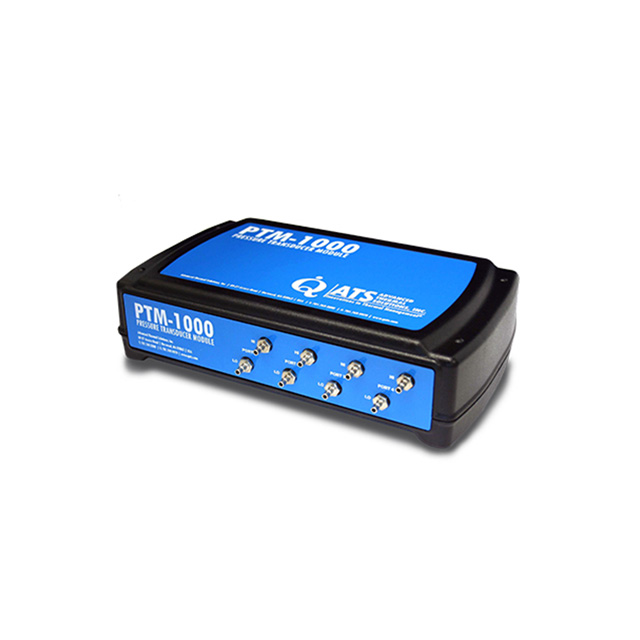
Atlas Scientific EZO-PSR is used in Pressure Sensors, Transducers category where placement, interface fit, and operating envelope drive measurement reliability. Key specs include Description (SENSOR 50PSIG 1/4"NPT), Output type (I2C, UART), Temperature (-40°C ~ 105°C), and Package/case (Cylinder, Threaded).
How do I validate sensor performance for EZO-PSR?
Test with real fixtures and environmental conditions, then confirm calibration, drift, and noise behavior meet your requirements.
What is the Port Style of EZO-PSR?
Threaded
Which supply voltage range is specified for EZO-PSR?
3.3V ~ 5V
What Maximum Pressure does EZO-PSR have?
7500PSI (51710.68kPa)
Atlas Scientific EZO-PSR is a common choice in Pressure Sensors, Transducers applications where the goal is to keep validation repeatable and avoid edge-case surprises during bring-up. Designers typically evaluate response time, drift, contamination resistance, and compensation so readings stay meaningful over time. Integration often involves placement strategy, airflow considerations, and calibration workflows tied to the target environment. In real deployments, across smart buildings, environmental sensors drive HVAC optimization across dusty airflow and changing installation conditions. Within agriculture, humidity and particulate sensing supports greenhouse automation where condensation and contaminants are common. In data centers, distributed sensing improves hot-spot detection in constrained airflow channels between high-density racks. In real deployments, pressure sensing emphasizes porting, response time, drift, and compensation so accuracy remains stable under real mechanical and thermal stress.
 EZO-PSR
The activity of extra discounts on wholesale prices is in full swing…
Please fill in your contact information and we will send you the latest wholesale price list.