ChipApex | Global Electronic Components Supplier
EZO-HUM-P
Search Product
Search Post
— IC芯片 | 连接器 | 传感器 | 被动器件 —
Search productSearch post
— IC芯片 | 连接器 | 传感器 | 被动器件 —
Consult the customer manager about the wholesale price.
consultation hotline:86-132-6715-2157
email:chipapexlimited@gmail.com
Contact the product manager for consultation. One-stop consultation is available.
Do you want a lower wholesale price? Please send us your inquiry and we will reply immediately.
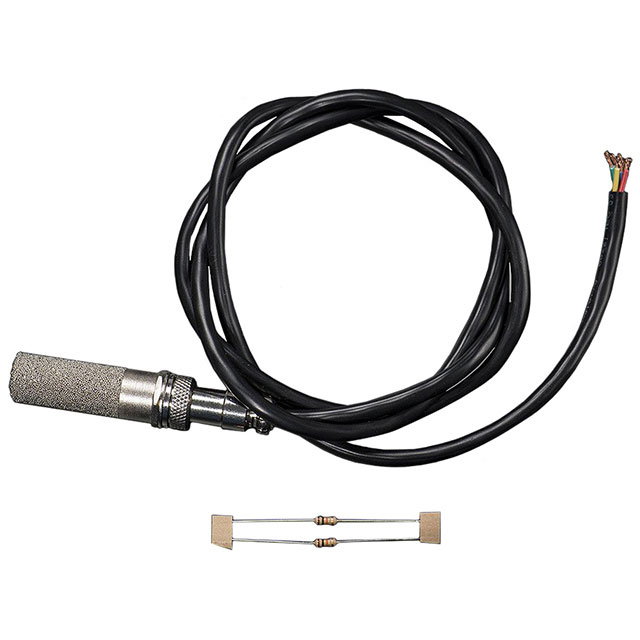
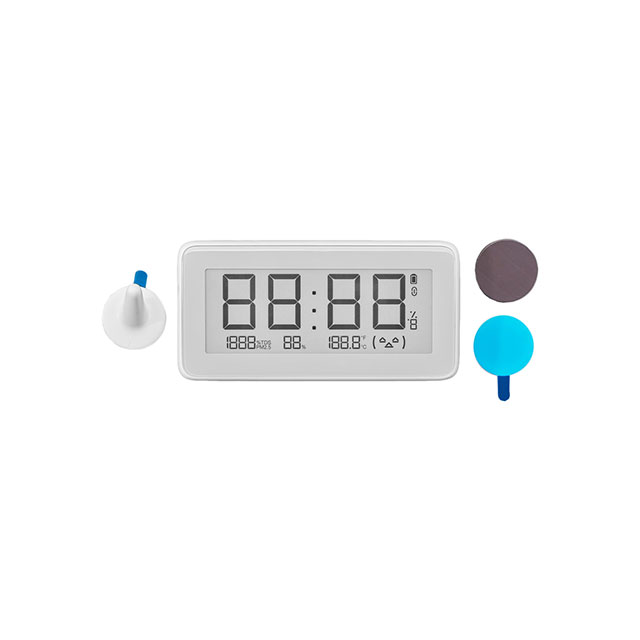
Atlas Scientific EZO-HUM-P is used in Humidity, Moisture Sensors category where placement, interface fit, and operating envelope drive measurement reliability. Key specs include Description (EZO-HUM Embedded Humidity Probe), Output type (I2C, UART), Temperature (-20°C ~ 50°C), Package/case (Cylinder, Threaded), and Mounting (Panel Mount).
How do I validate sensor performance for EZO-HUM-P?
Test with real fixtures and environmental conditions, then confirm calibration, drift, and noise behavior meet your requirements.
What is the Response Time of EZO-HUM-P?
1 s
Can you confirm the operating temperature range for EZO-HUM-P?
-20°C ~ 50°C
Which supply voltage range is specified for EZO-HUM-P?
3.3V ~ 5V
Atlas Scientific EZO-HUM-P is listed under the Humidity, Moisture Sensors category and is commonly used when correctness, reliability, and qualification repeatability matter. In real deployments, humidity sensing is validated for condensation exposure, hysteresis, and drift so readings remain repeatable across real airflow and contamination. Integration often involves placement strategy, airflow considerations, and calibration workflows tied to the target environment. Reliable environmental sensing enables better automation decisions and reduces operational risk. Within agriculture, humidity and particulate sensing supports greenhouse automation where condensation is common. In consumer devices, light and temperature sensing enables adaptive control in compact enclosures with tight power budgets. Across agriculture, humidity and particulate sensing supports greenhouse automation where condensation and contaminants are common. Early targeted testing tends to expose true integration risks before a design is scaled to production. A small set of stress tests often identifies the limiting assumptions long before production ramp.
 EZO-HUM-P
The activity of extra discounts on wholesale prices is in full swing…
Please fill in your contact information and we will send you the latest wholesale price list.