ChipApex | Global Electronic Components Supplier
GL1L5MS400S-C
Search Product
Search Post
— IC芯片 | 连接器 | 传感器 | 被动器件 —
Search productSearch post
— IC芯片 | 连接器 | 传感器 | 被动器件 —
Consult the customer manager about the wholesale price.
consultation hotline:86-132-6715-2157
email:chipapexlimited@gmail.com
Contact the product manager for consultation. One-stop consultation is available.
Do you want a lower wholesale price? Please send us your inquiry and we will reply immediately.
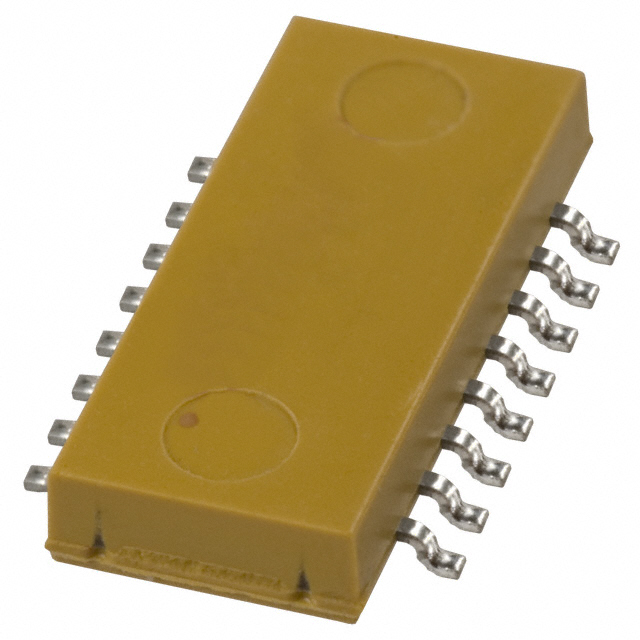
Susumu GL1L5MS400S-C is used in Delay Lines category where integration and verification need to stay predictable. Key specs include Description (IND DELAY LINE 4.0NS 1 OHM SMD), Series (GL1L), Packaging (Bulk), Temperature (-25°C ~ 85°C), and Package/case (16-SOIC (0.239", 6.06mm Width)).
What details help you quote GL1L5MS400S-C quickly?
Share the part number (GL1L5MS400S-C), quantity, target delivery date, and any packaging or documentation requirements.
What is the operating temperature range of GL1L5MS400S-C?
-25°C ~ 85°C
What is the Tolerance of GL1L5MS400S-C?
±0.050nS
What Delay Time is listed for GL1L5MS400S-C?
4 ns
Selecting Susumu GL1L5MS400S-C for Delay Lines usually comes down to meeting the system constraints that matter most: limits, interfaces, and testability in the real build. They generate, buffer, divide, or clean clocks so digital domains remain synchronized and interface margins stay within specification. In practice, key considerations are jitter, phase noise, aging, startup behavior, and how a clock tree is distributed across dense PCBs. Within aerospace electronics, predictable timing supports deterministic behavior and qualification evidence over long lifecycles. Within high-speed digital designs, well-distributed clocks simplify timing closure and reduce re-spin risk caused by marginal setup/hold windows. In telecom and networking, timing components keep Ethernet switches and line cards synchronized in 24/7 racks with limited airflow and strict jitter budgets.
 GL1L5MS400S-C
The activity of extra discounts on wholesale prices is in full swing…
Please fill in your contact information and we will send you the latest wholesale price list.