ChipApex | Global Electronic Components Supplier
TR-EVO-SWP
Search Product
Search Post
— IC芯片 | 连接器 | 传感器 | 被动器件 —
Search productSearch post
— IC芯片 | 连接器 | 传感器 | 被动器件 —
Consult the customer manager about the wholesale price.
consultation hotline:86-132-6715-2157
email:chipapexlimited@gmail.com
Contact the product manager for consultation. One-stop consultation is available.
Do you want a lower wholesale price? Please send us your inquiry and we will reply immediately.
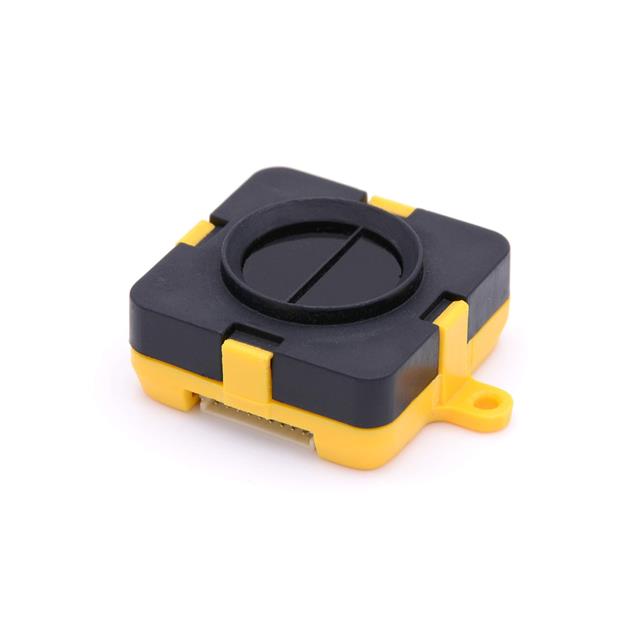
Terabee SAS TR-EVO-SWP is selected in Image Sensors, Camera category when calibration, drift, and environment constraints must be validated early. Key specs include Description (TERARANGER EVO SWIPE), Type (3D Time of Flight), Temperature (-20°C ~ 75°C), and Package/case (Module).
How do I validate sensor performance for TR-EVO-SWP?
Test with real fixtures and environmental conditions, then confirm calibration, drift, and noise behavior meet your requirements.
What supply voltage range does TR-EVO-SWP require?
4.75V ~ 5.25V
Which package/case is specified for TR-EVO-SWP?
Module
How is TR-EVO-SWP supplied (packaging)?
Bag
Selecting Terabee SAS TR-EVO-SWP for Image Sensors, Camera usually comes down to meeting the system constraints that matter most: limits, interfaces, and testability in the real build. For isolated links, propagation delay, CTR, and dv/dt immunity matter; for indicators, visibility under ambient light and consistent brightness are key. Well-integrated optoelectronics improve user feedback, sensing robustness, and noise immunity in real products. Once integration risk is understood, teams validate the same constraints under the actual enclosure, cabling, and power conditions. In production builds, the emphasis shifts to repeatable testing, predictable failure modes, and stable behavior across lots. In consumer products, optical feedback enables compact UI features while managing thermal rise. In telecom and data centers, optical transmit/receive blocks deliver bandwidth without ground loops across long runs in dense racks. Done well, it strengthens robustness by aligning electrical, thermal, and mechanical constraints with the deployment environment.
 TR-EVO-SWP
The activity of extra discounts on wholesale prices is in full swing…
Please fill in your contact information and we will send you the latest wholesale price list.