ChipApex | Global Electronic Components Supplier
10AX016E3F29E2LG
Search Product
Search Post
— IC芯片 | 连接器 | 传感器 | 被动器件 —
Search productSearch post
— IC芯片 | 连接器 | 传感器 | 被动器件 —
Consult the customer manager about the wholesale price.
consultation hotline:86-132-6715-2157
email:chipapexlimited@gmail.com
Contact the product manager for consultation. One-stop consultation is available.
Do you want a lower wholesale price? Please send us your inquiry and we will reply immediately.
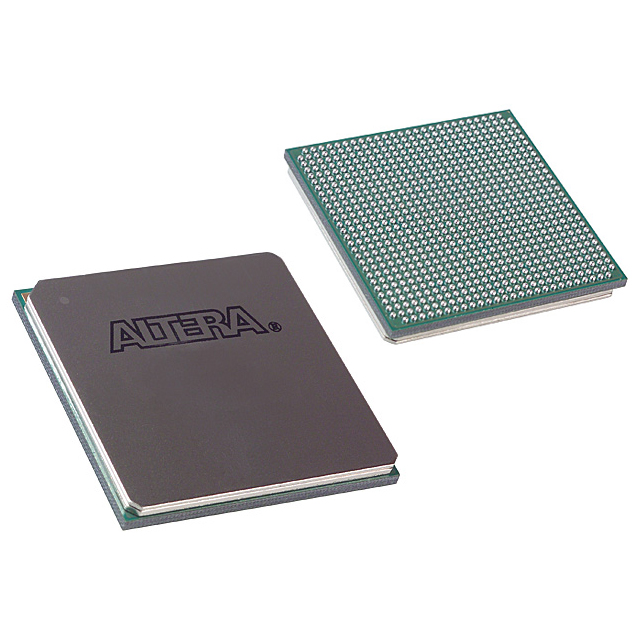
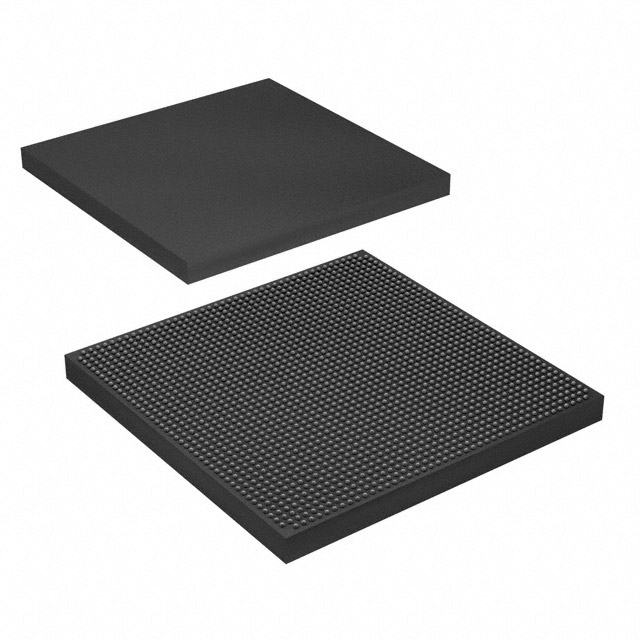
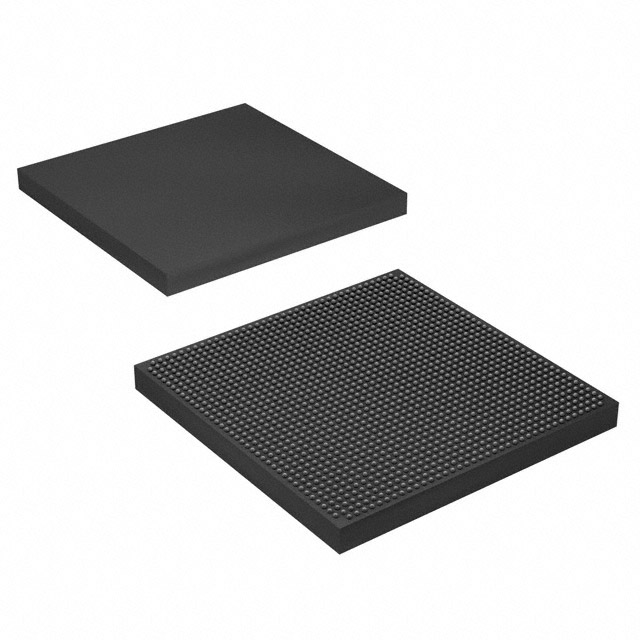
Altera 10AX016E3F29E2LG is selected in FPGAs (Field Programmable Gate Array) category when storage behavior must remain predictable across temperature and production variance. Key specs include Description (IC FPGA 288 I/O 780FBGA), Temperature (0°C ~ 100°C (TJ)), Package/case (780-BBGA, FCBGA), Mounting (Surface Mount), and Packaging (Tray).
Any tips for reliable operation with 10AX016E3F29E2LG?
Ensure robust power sequencing, adequate decoupling capacitors, and verify signal integrity on high-speed data buses.
What Number of LABs/CLBs does 10AX016E3F29E2LG have?
61510
What temperature range is listed for 10AX016E3F29E2LG?
0°C ~ 100°C (TJ)
Can you confirm the package/case for 10AX016E3F29E2LG?
780-BBGA, FCBGA
In real deployments, when Altera 10AX016E3F29E2LG is used in FPGAs (Field Programmable Gate Array) designs, teams typically start by confirming interfaces, supply rails, operating envelope, and qualification expectations. They implement deterministic digital interface and control functions such as buffering, decoding, timing, and level translation with predictable latency. In real deployments, designers often use them to bridge voltage domains, protect I/O, and keep edges and thresholds well-behaved on shared buses. With the fundamentals covered, engineers usually validate the remaining assumptions in the exact use-case and mechanical stack-up. Within test equipment, deterministic gating and capture improves repeatability across fixtures and operator cycles. Within high-speed boards, small logic functions support reset distribution and clock-domain controls where skew and ringing must be managed. Within test fixtures, gating simplifies stimulus routing so measurement steps remain repeatable across cycles and operators. In practice, taken together, careful selection and validation lower integration risk and raise field reliability.
 10AX016E3F29E2LG
The activity of extra discounts on wholesale prices is in full swing…
Please fill in your contact information and we will send you the latest wholesale price list.