ChipApex | Global Electronic Components Supplier
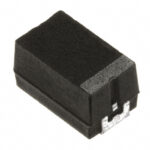
293D226X9035E2TE3
Search Product
Search Post
— IC芯片 | 连接器 | 传感器 | 被动器件 —
Search productSearch post
— IC芯片 | 连接器 | 传感器 | 被动器件 —
Consult the customer manager about the wholesale price.
consultation hotline:86-132-6715-2157
email:chipapexlimited@gmail.com
Contact the product manager for consultation. One-stop consultation is available.
Do you want a lower wholesale price? Please send us your inquiry and we will reply immediately.
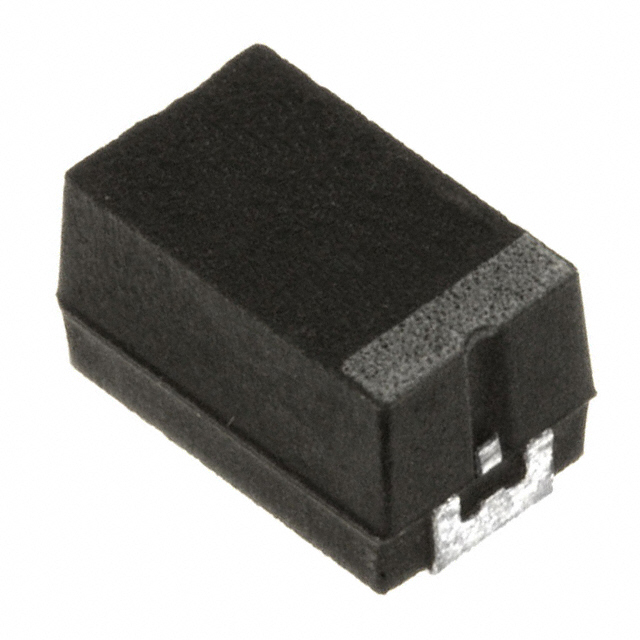
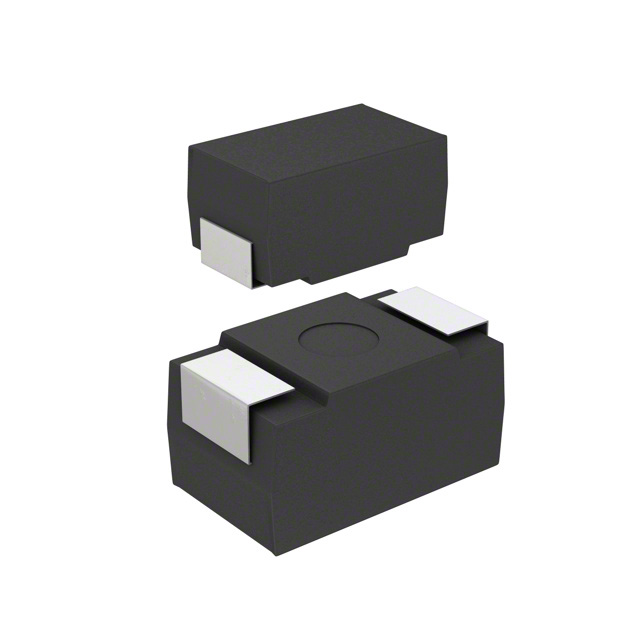
Vishay Sprague 293D226X9035E2TE3 is selected in Tantalum Capacitors category when ripple, lifetime, and operating corners must remain inside budget. Key specs include Description (CAP TANT 22UF 10% 35V 2917), Capacitance (22 µF), Rated voltage (35 V), Tolerance (±10%), and Temperature (-55°C ~ 125°C).
How do I avoid common capacitor selection mistakes with 293D226X9035E2TE3?
Check DC bias/temperature effects, ripple heating, and mechanical constraints, then validate under worst-case load and temperature.
What mounting type does 293D226X9035E2TE3 use?
Surface Mount
What Features is listed for 293D226X9035E2TE3?
General Purpose
Can you confirm the Tolerance for 293D226X9035E2TE3?
±10%
Vishay Sprague 293D226X9035E2TE3 shows up under Tantalum Capacitors when designers want a well-bounded, datasheet-driven building block instead of a fragile board-level workaround. They provide energy storage and decoupling, shaping impedance versus frequency to stabilize rails and signal paths. Selection depends on ESR/ESL, ripple current, temperature behavior, dielectric stability, and lifetime under stress. A small set of stress tests often identifies the limiting assumptions long before production ramp. In real deployments, across telecom and data center power, impedance and ripple margins influence stability in dense, high-current boards. Within instrumentation, stable dielectric behavior prevents drift that would otherwise limit measurement repeatability. In compact devices, layout-driven ESL and placement can dominate performance, so practical design rules matter. Across industrial power supplies, bulk capacitance smooths rectified rails and provides ride-through during short brownouts in hot cabinets. By focusing on testability and margins, teams reduce surprises during integration and scale-up.
 293D226X9035E2TE3
The activity of extra discounts on wholesale prices is in full swing…
Please fill in your contact information and we will send you the latest wholesale price list.