ChipApex | Global Electronic Components Supplier
2N3495
Search Product
Search Post
— IC芯片 | 连接器 | 传感器 | 被动器件 —
Search productSearch post
— IC芯片 | 连接器 | 传感器 | 被动器件 —
Consult the customer manager about the wholesale price.
consultation hotline:86-132-6715-2157
email:chipapexlimited@gmail.com
Contact the product manager for consultation. One-stop consultation is available.
Do you want a lower wholesale price? Please send us your inquiry and we will reply immediately.
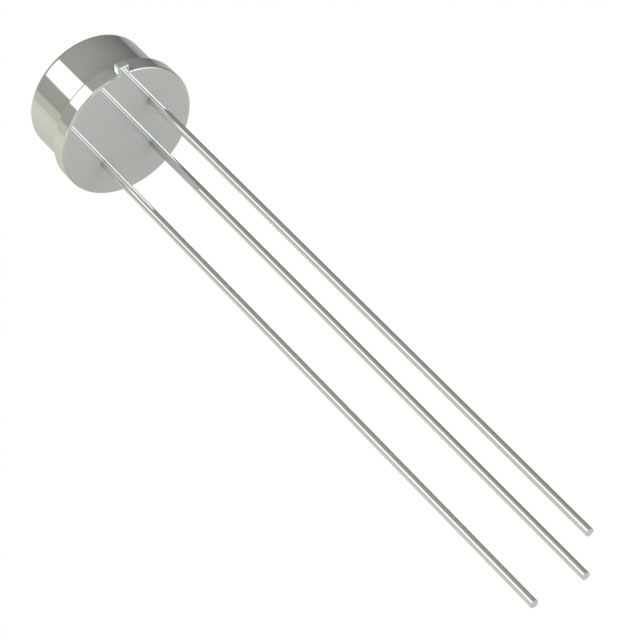
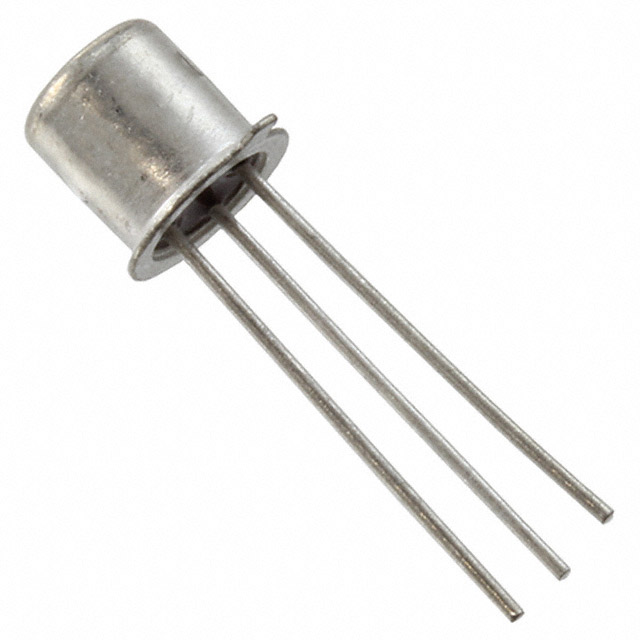
Microchip Technology 2N3495 is used in Bipolar RF Transistors category in RF signal paths where layout, grounding, and interface choices determine real performance. Key specs include Description (RF TRANS PNP 120V 150MHZ TO-5AA), Temperature (-65°C ~ 200°C (TJ)), Package/case (TO-205AA, TO-5-3 Metal Can), Mounting (Through Hole), and Packaging (Bulk).
What are common selection points for RF parts like 2N3495?
Compare frequency coverage, loss/isolation trade-offs, power handling, and mechanical interface constraints (connectors, mounting).
Which Power - Max is listed for 2N3495?
400mW
Which operating temperature range is specified for 2N3495?
-65°C ~ 200°C (TJ)
What Voltage - Collector Emitter Breakdown (Max) is listed for 2N3495?
120V
When Microchip Technology 2N3495 is used in Bipolar RF Transistors designs, teams typically start by confirming interfaces, supply rails, operating envelope, and qualification expectations. Engineers often care about stability across temperature and assembly variance, because small RF shifts can translate into big system-level margin changes. RF integration is validated with real antennas, cables, and enclosures, not just lab fixtures, because coupling and detuning drive outcomes. Across consumer wireless products, compact RF integration must still meet coexistence and compliance targets. Within industrial radios, RF parts are validated for drift and detuning as enclosures heat soak and cable routing varies between installs. In consumer wearables, compact RF integration must maintain margin under tight ground planes and frequent human-body detuning. A short worst-case validation run can quickly separate robust designs from fragile ones. Early targeted testing tends to expose true integration risks before a design is scaled to production.
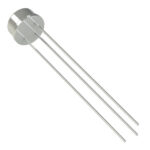 2N3495
The activity of extra discounts on wholesale prices is in full swing…
Please fill in your contact information and we will send you the latest wholesale price list.