ChipApex | Global Electronic Components Supplier
381LX222M100J042
Search Product
Search Post
— IC芯片 | 连接器 | 传感器 | 被动器件 —
Search productSearch post
— IC芯片 | 连接器 | 传感器 | 被动器件 —
Consult the customer manager about the wholesale price.
consultation hotline:86-132-6715-2157
email:chipapexlimited@gmail.com
Contact the product manager for consultation. One-stop consultation is available.
Do you want a lower wholesale price? Please send us your inquiry and we will reply immediately.
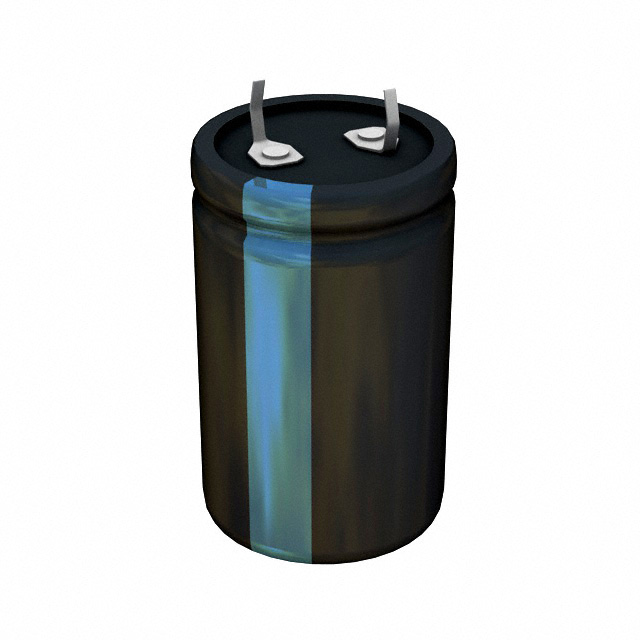
Cornell Dubilier Knowles 381LX222M100J042 is used in Aluminum Electrolytic Capacitors category where derating, temperature behavior, and mechanical fit affect long-term stability. Key specs include Description (CAP ALUM 2200UF 20% 100V SNAP TH), Capacitance (2200 µF), Rated voltage (100 V), Tolerance (±20%), and Temperature (-40°C ~ 105°C).
How do I avoid common capacitor selection mistakes with 381LX222M100J042?
Check DC bias/temperature effects, ripple heating, and mechanical constraints, then validate under worst-case load and temperature.
Which Polarization is listed for 381LX222M100J042?
Polar
What voltage rating does 381LX222M100J042 have?
100 V
Which Lifetime @ Temp. is specified for 381LX222M100J042?
3000 Hrs @ 105°C
In practice, selecting Cornell Dubilier Knowles 381LX222M100J042 for Aluminum Electrolytic Capacitors usually comes down to meeting the system constraints that matter most: limits, interfaces, and testability in the real build. Electrolytic capacitor selection centers on ripple current, lifetime versus temperature, and ESR behavior under load and aging. In practice, correct capacitor choices improve stability, reduce noise, and increase product lifetime. They provide energy storage and decoupling, shaping impedance versus frequency to stabilize rails and signal paths. In consumer products, compact passives balance cost, lifetime, and thermal rise in sealed housings. In variable-frequency drives, capacitor choices influence EMI, ripple, and thermal stress that can shorten lifetime if margins are thin. Across motor-control power stages, capacitors are qualified for ripple current and heat rise because stress is repetitive and cumulative. With the boundaries defined early, teams can validate faster and keep failure modes more predictable.
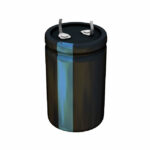 381LX222M100J042
The activity of extra discounts on wholesale prices is in full swing…
Please fill in your contact information and we will send you the latest wholesale price list.