ChipApex | Global Electronic Components Supplier
AT17C128-10PI
Search Product
Search Post
— IC芯片 | 连接器 | 传感器 | 被动器件 —
Search productSearch post
— IC芯片 | 连接器 | 传感器 | 被动器件 —
Consult the customer manager about the wholesale price.
consultation hotline:86-132-6715-2157
email:chipapexlimited@gmail.com
Contact the product manager for consultation. One-stop consultation is available.
Do you want a lower wholesale price? Please send us your inquiry and we will reply immediately.
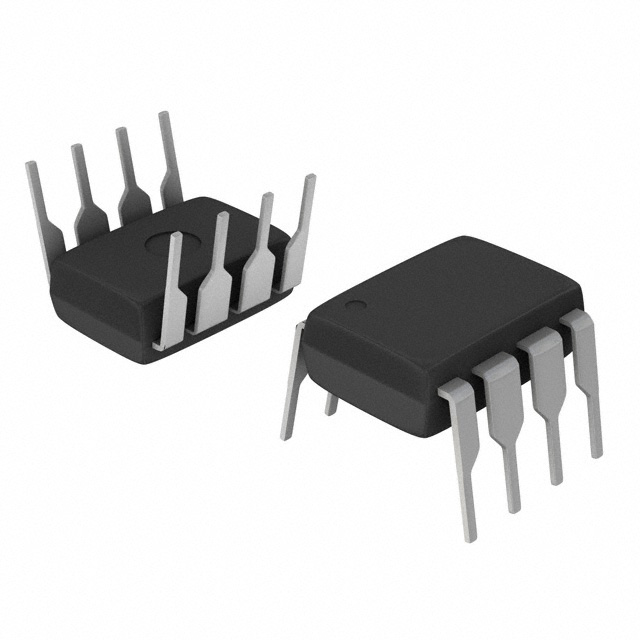
Microchip Technology AT17C128-10PI is used in Configuration PROMs for FPGAs category where integration and verification need to stay predictable. Key specs include Description (IC SERIAL CONFIG PROM 128K 8DIP), Packaging (Tube), Supply (4.5V ~ 5.5V), Temperature (-40°C ~ 85°C), and Package/case (8-DIP (0.300", 7.62mm)).
What should I verify before using AT17C128-10PI in production?
Confirm footprint/pinout, min/max ratings, operating temperature, and the datasheet test conditions behind key specifications.
What package/case does AT17C128-10PI use?
8-DIP (0.300", 7.62mm)
Which Memory Size is listed for AT17C128-10PI?
128kb
Can you confirm the Supplier Device Package for AT17C128-10PI?
8-PDIP
Across practice, the question for Microchip Technology AT17C128-10PI in Configuration PROMs for FPGAs is whether it stays inside the electrical/thermal envelope while remaining easy to validate and support. For interlocks and glue logic, deterministic propagation and stable thresholds reduce intermittent faults and hard-to-debug timing escapes. In practice, within mixed-voltage boards, clean translation and buffering reduce contention risk and protect interfaces during hot-plug and brownout events. In practice, within aerospace electronics, predictable propagation and stable thresholds support qualification evidence. In high-speed boards, careful logic placement reduces trace length, improves SI, and lowers the risk of sporadic timing failures. Within industrial test equipment, logic blocks coordinate triggers and parallel capture inside shielded instruments that must repeat measurements across units.
 AT17C128-10PI
The activity of extra discounts on wholesale prices is in full swing…
Please fill in your contact information and we will send you the latest wholesale price list.