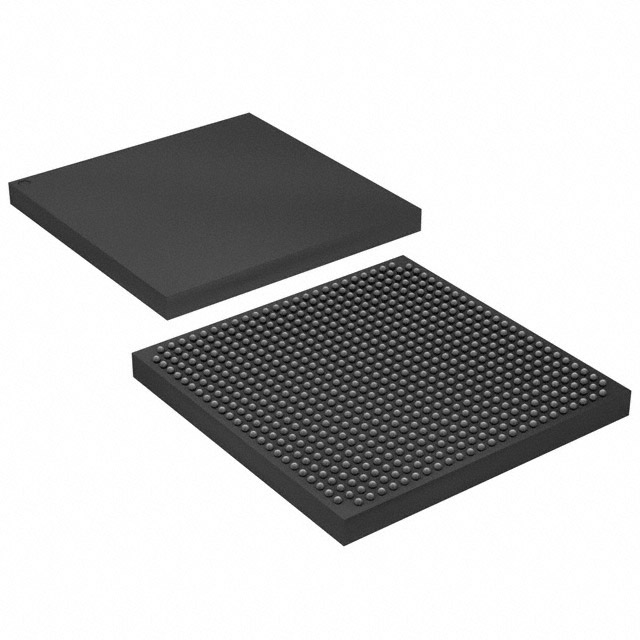
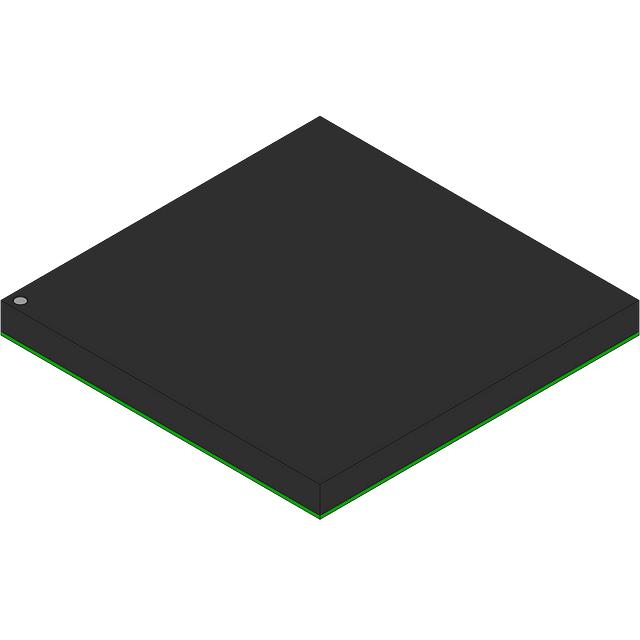
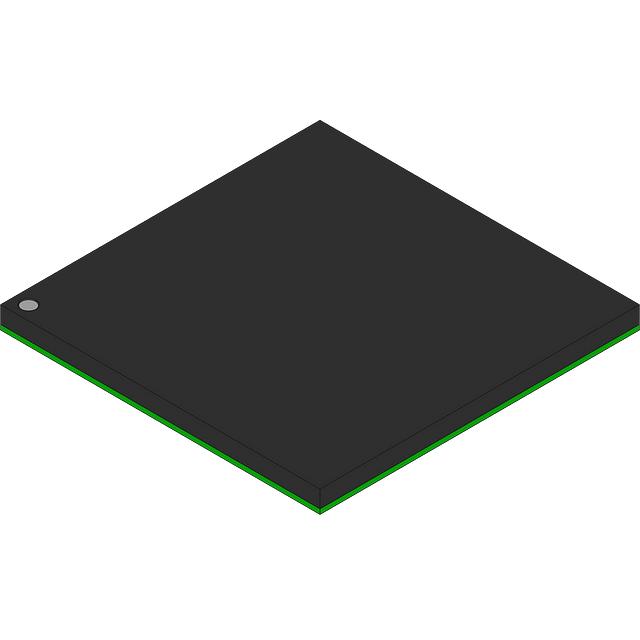
EPXA4F672C3

EPXA4F672C3

  • Description:IC EXCALIBUR ARM 672FBGA
  • Series:Excalibur™

SKU:191479f5b776 Category: Brand:

ChipApex WhatsApp

Consult the customer manager about the wholesale price.

consultation hotline:86-132-6715-2157

email:chipapexlimited@gmail.com
Contact the product manager for consultation. One-stop consultation is available.


Do you want a lower wholesale price? Please send us your inquiry and we will reply immediately.

*
*
*
*
Submitting!
Submission successful!
Submission failed!
Email error!
Phone number error!

Product Detailed Parameters

  • Description:IC EXCALIBUR ARM 672FBGA
  • Series:Excalibur™
  • Mfr:Altera
  • Package:Tray
  • Core Type:32-Bit ARM9
  • Speed:166 MHz
  • Interface:EBI/EMI, UART/USART
  • Program SRAM Bytes:128K
  • FPGA SRAM:-
  • EEPROM Size:-
  • Data SRAM Bytes:64K
  • FPGA Core Cells:16640
  • FPGA Gates:400K
  • FPGA Registers:-
  • Voltage - Supply:1.8V
  • Mounting Type:Surface Mount
  • Operating Temperature:0°C ~ 85°C
  • Package / Case:672-BBGA
  • Supplier Device Package:672-FBGA (27x27)

Download product information

EPXA4F672C3

Buying Guide
Summary

Altera EPXA4F672C3 is selected in FPGAs (Field Programmable Gate Array) with Microcontrollers category when firmware headroom and I/O planning must remain stable across revisions. Key specs include Description (IC EXCALIBUR ARM 672FBGA), Speed (166 MHz), Temperature (0°C ~ 85°C), Package/case (672-BBGA), and Mounting (Surface Mount).

Selection Notes
  • For EPXA4F672C3, confirm the supply requirement (1.8V) is met during startup, transients, and brownout.
  • Verify the data interface (EBI/EMI, UART/USART) and timing requirements for your system.
  • Confirm the operating temperature range (0°C ~ 85°C) meets your deployment conditions.
Alternates & Substitutions
  • For FPGAs (Field Programmable Gate Array) with Microcontrollers, treat alternates as an integration task and validate the assumptions that matter on the assembled system.
  • Always compare the datasheet test conditions behind key specs (load, frequency, temperature) to avoid swapping in a part that was characterized differently.
  • Make sure the alternate stays inside your system envelope: supply 1.8V, temperature 0°C ~ 85°C.
  • For digital parts, align interface EBI/EMI, UART/USART, speed 166 MHz and validate firmware/boot and signal integrity assumptions before production.
FAQ

Who is the manufacturer of EPXA4F672C3?
Altera

What FPGA Gates does EPXA4F672C3 have?
400K

Which operating temperature range is listed for EPXA4F672C3?
0°C ~ 85°C

What mounting style is specified for EPXA4F672C3?
Surface Mount

Application Scenarios

In practice, when Altera EPXA4F672C3 is used in FPGAs (Field Programmable Gate Array) with Microcontrollers designs, teams typically start by confirming interfaces, supply rails, operating envelope, and qualification expectations. They commonly sit at the center of sensor fusion, protocol processing, or deterministic control loops where latency and reliability matter. Well-matched compute devices reduce software complexity by providing the right hardware acceleration and I/O integration. Within building automation, local compute keeps systems functional even when cloud connectivity is intermittent. Across consumer products, compute and peripheral integration reduces BOM and speeds product iterations while maintaining stable user experience. Within smart factories, they run real-time control and protocol stacks in cabinets with dust and vibration, where remote diagnostics and OTA updates reduce downtime.
Compatibility Advice
  • Before release to production, validate that alternate parts preserve boot modes, memory interfaces, and critical timing assumptions rather than only pinout. This keeps integration from depending on typical-only conditions.
  • To keep validation repeatable, validate startup states and default pin configurations so connected peripherals do not enter unsafe modes at reset. This keeps acceptance criteria measurable and repeatable.
  • For production stability, confirm memory interface timing and SI assumptions so firmware behavior stays stable across temperature and lot variation. This helps field behavior stay predictable across lots.
Project Fit
  • Best fit when you can bench-verify Altera EPXA4F672C3 for FPGAs (Field Programmable Gate Array) with Microcontrollers integration in the final enclosure, typically when you can provision programming and debug access so production test and field recovery are practical.
  • Usually not a good fit when integrating Altera EPXA4F672C3 for FPGAs (Field Programmable Gate Array) with Microcontrollers, boot and recovery behavior depends on sequencing or strapping that cannot be controlled across builds, because the integration depends on constraints that cannot be controlled across builds.
EPXA4F672C3EPXA4F672C3

Click on the inquiry