ChipApex | Global Electronic Components Supplier
GL2L5MS300D-C
Search Product
Search Post
— IC芯片 | 连接器 | 传感器 | 被动器件 —
Search productSearch post
— IC芯片 | 连接器 | 传感器 | 被动器件 —
Consult the customer manager about the wholesale price.
consultation hotline:86-132-6715-2157
email:chipapexlimited@gmail.com
Contact the product manager for consultation. One-stop consultation is available.
Do you want a lower wholesale price? Please send us your inquiry and we will reply immediately.
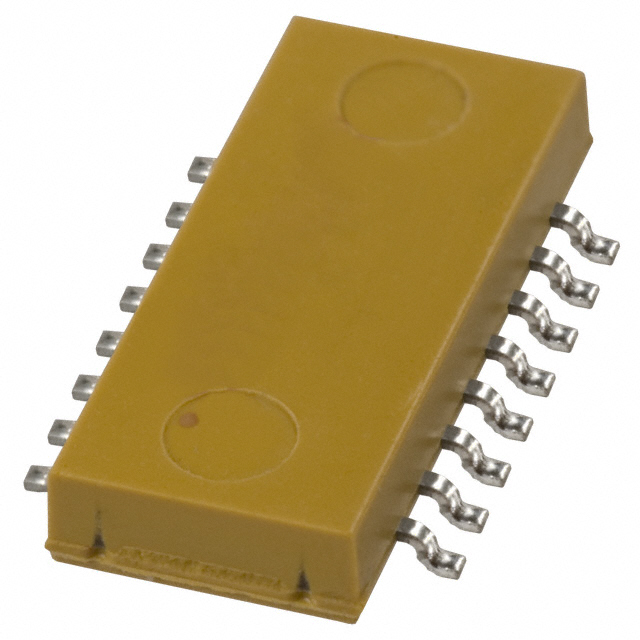
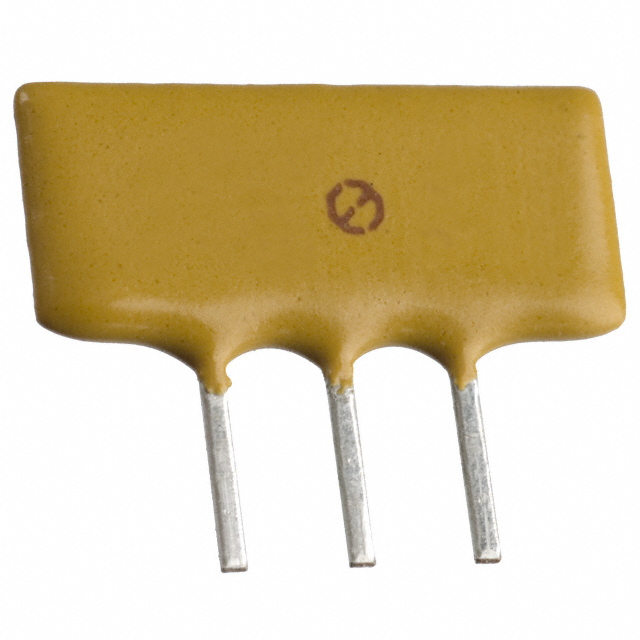
Susumu GL2L5MS300D-C is used in Delay Lines category where integration and verification need to stay predictable. Key specs include Description (IND DELAY LINE 3.0NS 1 OHM SMD), Series (GL2L), Packaging (Bulk), Temperature (-25°C ~ 85°C), and Package/case (16-SOIC (0.239", 6.06mm Width)).
How do I confirm compatibility for GL2L5MS300D-C?
Match mechanical footprint first, then verify electrical limits and operating conditions against your system constraints.
Which package/case is listed for GL2L5MS300D-C?
16-SOIC (0.239", 6.06mm Width)
Which operating temperature range is listed for GL2L5MS300D-C?
-25°C ~ 85°C
Can you confirm the Tolerance for GL2L5MS300D-C?
-0.5/+0.1 nS
In the Delay Lines category, Susumu GL2L5MS300D-C is often evaluated by how well it fits electrical, thermal, and mechanical constraints in the target system. Across real products, clock behavior is validated against EMI sources, power integrity, and enclosure coupling paths. A solid timing choice keeps margins stable by reducing sensitivity to supply ripple, temperature drift, and routing-induced noise. Across data center equipment, clock quality influences BER margins and long-term stability under continuous load. In measurement equipment, clean clocks reduce converter spurs and improve repeatability in benchtop instruments used for calibration workflows. Within embedded gateways, stable RTC and clocking improve logging accuracy and coordinated events across distributed sensor nodes.
 GL2L5MS300D-C
The activity of extra discounts on wholesale prices is in full swing…
Please fill in your contact information and we will send you the latest wholesale price list.