ChipApex | Global Electronic Components Supplier
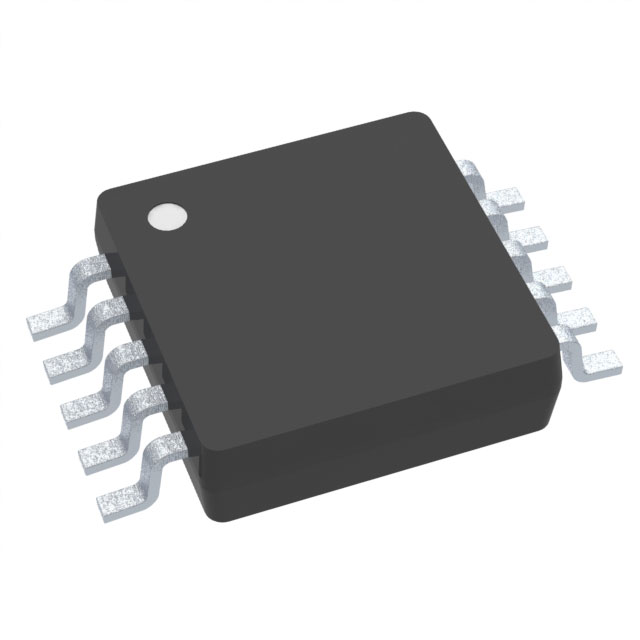
INA330AIDGST
Search Product
Search Post
— IC芯片 | 连接器 | 传感器 | 被动器件 —
Search productSearch post
— IC芯片 | 连接器 | 传感器 | 被动器件 —
Consult the customer manager about the wholesale price.
consultation hotline:86-132-6715-2157
email:chipapexlimited@gmail.com
Contact the product manager for consultation. One-stop consultation is available.
Do you want a lower wholesale price? Please send us your inquiry and we will reply immediately.
Texas Instruments INA330AIDGST is used in Instrumentation, Op Amps, Buffer Amps category where bandwidth, stability, and noise behavior need to be validated in the real signal chain. Key specs include Description (IC OPAMP GP 1 CIRCUIT 10VSSOP), Output type (Rail-to-Rail), Temperature (-40°C ~ 85°C), Package/case (10-TFSOP, 10-MSOP (0.118", 3.00mm Width)), and Mounting (Surface Mount).
How do I validate INA330AIDGST in my design?
Verify stability under your expected capacitive load, confirm the common-mode voltage range, and check output swing limits.
Can you confirm the Voltage - Input Offset for INA330AIDGST?
60 µV
What is the operating temperature range of INA330AIDGST?
-40°C ~ 85°C
What package type does INA330AIDGST come in?
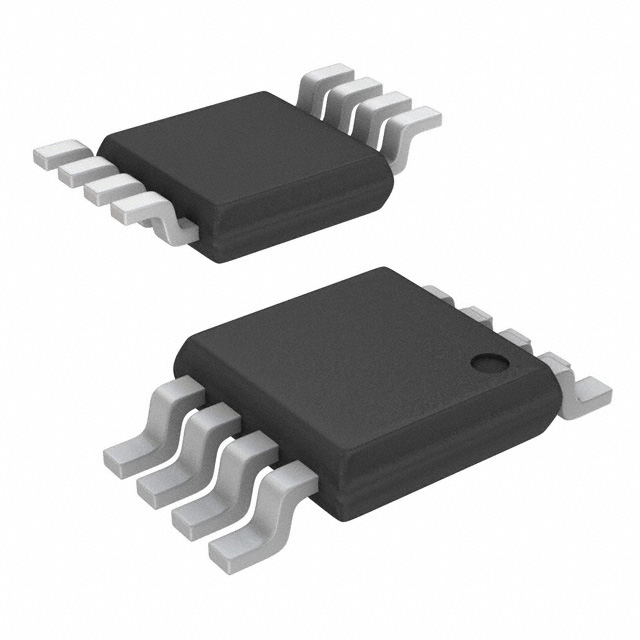
10-TFSOP, 10-MSOP (0.118", 3.00mm Width)
Selecting Texas Instruments INA330AIDGST for Instrumentation, Op Amps, Buffer Amps usually comes down to meeting the system constraints that matter most: limits, interfaces, and testability in the real build. Engineers generally pay close attention to grounding, references, interface timing, and loading so end-to-end performance is preserved on the PCB. In practice, teams generally verify grounding, reference integrity, interface timing, and loading because small errors compound across the chain. In energy metering, accuracy is maintained across noisy mains and wide temperature swings. Across medical instruments, low-drift in-amps condition biopotential and low-level sensor signals where noise and offset stability dominate the error budget. In data acquisition front ends, in-amps provide precise gain before conversion when channel matching and repeatability across production units are required. Engineers typically validate gain-setting, filtering, and EMI robustness because common-mode interference is usually the dominant error source.
 INA330AIDGST
The activity of extra discounts on wholesale prices is in full swing…
Please fill in your contact information and we will send you the latest wholesale price list.