ChipApex | Global Electronic Components Supplier
RPR-220
Search Product
Search Post
— IC芯片 | 连接器 | 传感器 | 被动器件 —
Search productSearch post
— IC芯片 | 连接器 | 传感器 | 被动器件 —
Consult the customer manager about the wholesale price.
consultation hotline:86-132-6715-2157
email:chipapexlimited@gmail.com
Contact the product manager for consultation. One-stop consultation is available.
Do you want a lower wholesale price? Please send us your inquiry and we will reply immediately.
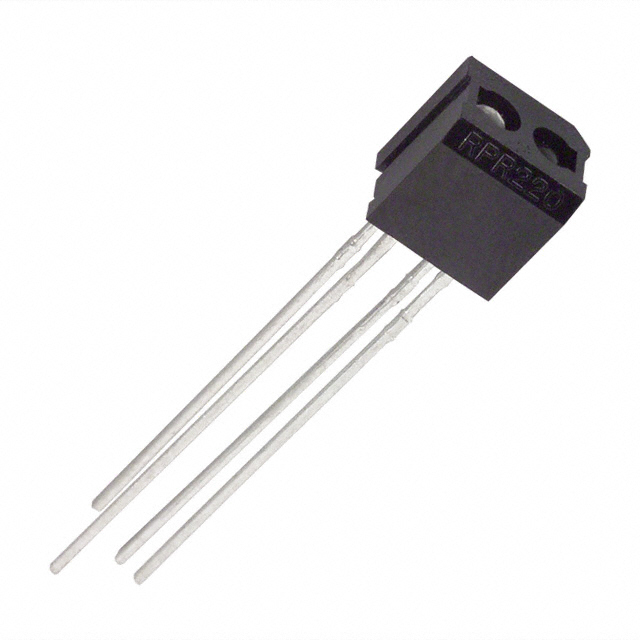
Rohm Semiconductor RPR-220 is sourced in Reflective - Analog Output category when teams want clear constraints and a repeatable validation path. Key specs include Description (PHOTOINTERRUPTER REFL 6MM 800NM), Packaging (Bulk), Package/case (Radial - 4 Leads), Mounting (Through Hole), and Output type (Phototransistor).
What mounting type does RPR-220 use?
Through Hole
What packaging is listed for RPR-220?
Bulk
Which Sensing Method is specified for RPR-220?
Reflective
Which output type is specified for RPR-220?
Phototransistor
In many Reflective - Analog Output builds, Rohm Semiconductor RPR-220 is reviewed for predictable behavior, supportability, and stable qualification evidence. Designers generally verify wavelength/color, intensity, viewing angle, response behavior, and thermal limits so performance remains stable in the enclosure. For isolated links, propagation delay, CTR, and dv/dt immunity matter; for indicators, visibility under ambient light and consistent brightness are key. Across outdoor equipment, UV exposure and moisture drive sealing and derating choices for optical components. Within medical devices, optical sensing supports pulse oximetry and proximity detection where thermal management and calibration are essential. Across machine safety, optical detection and isolation improve noise immunity when equipment is installed near high-power actuators. Across practice, teams look for a path to verify the key assumptions without turning the integration into a one-off tuning exercise. This is the kind of discipline that reduces re-spin risk and keeps schedules more predictable.
 RPR-220
The activity of extra discounts on wholesale prices is in full swing…
Please fill in your contact information and we will send you the latest wholesale price list.