ChipApex | Global Electronic Components Supplier
SCA830-D06-10
Search Product
Search Post
— IC芯片 | 连接器 | 传感器 | 被动器件 —
Search productSearch post
— IC芯片 | 连接器 | 传感器 | 被动器件 —
Consult the customer manager about the wholesale price.
consultation hotline:86-132-6715-2157
email:chipapexlimited@gmail.com
Contact the product manager for consultation. One-stop consultation is available.
Do you want a lower wholesale price? Please send us your inquiry and we will reply immediately.
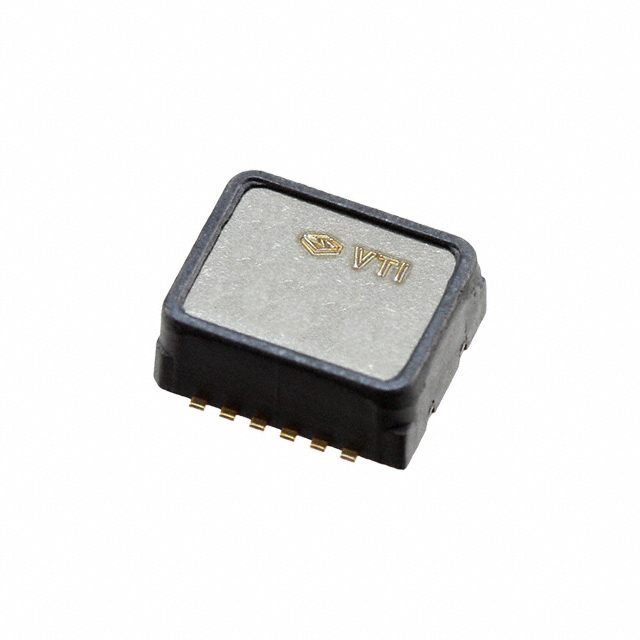
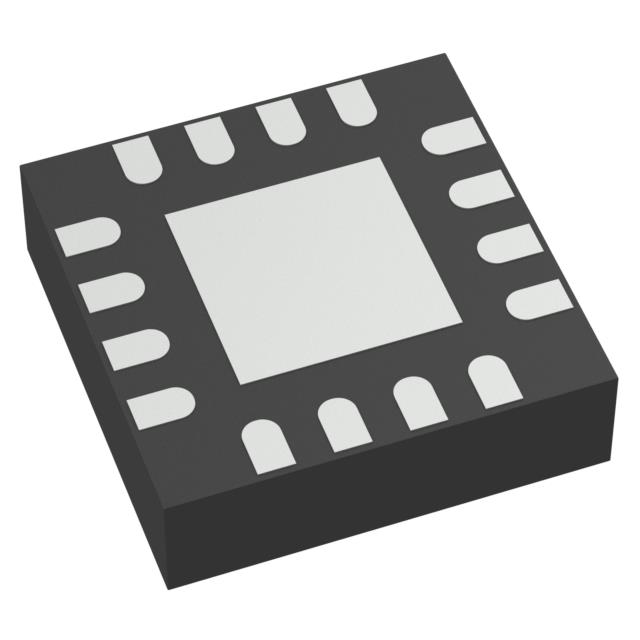
Murata Electronics SCA830-D06-10 is used in Accelerometers category where integration and verification need to stay predictable. Key specs include Description (ACCELEROMETER 2G SPI 12SMD), Type (Digital), Packaging (Tape & Reel (TR)), Supply (3V ~ 3.6V), and Temperature (-40°C ~ 125°C).
How do I confirm compatibility for SCA830-D06-10?
Match mechanical footprint first, then verify electrical limits and operating conditions against your system constraints.
What is the packaging of SCA830-D06-10?
Tape & Reel (TR)
Which supply voltage range is specified for SCA830-D06-10?
3V ~ 3.6V
What is the Acceleration Range of SCA830-D06-10?
±2g
Selecting Murata Electronics SCA830-D06-10 for Accelerometers usually comes down to meeting the system constraints that matter most: limits, interfaces, and testability in the real build. Engineers often consider bandwidth, noise density, bias drift, and mechanical mounting so sensor fusion remains robust. In practice, they often require careful filtering and placement to avoid resonance and EMI coupling from motors or switching regulators. In industrial machinery, vibration analytics predicts bearing wear in hot, noisy enclosures. In marine and outdoor equipment, shock events and temperature gradients demand stable calibration and robust mounting strategy. In handheld tools, motion sensing enables safety cutoffs and usage analytics while surviving repeated drops and impacts. In real deployments, accelerometer integration focuses on mounting stiffness, bandwidth, noise, and bias drift so vibration and motion results remain repeatable.
 SCA830-D06-10
The activity of extra discounts on wholesale prices is in full swing…
Please fill in your contact information and we will send you the latest wholesale price list.