ChipApex | Global Electronic Components Supplier
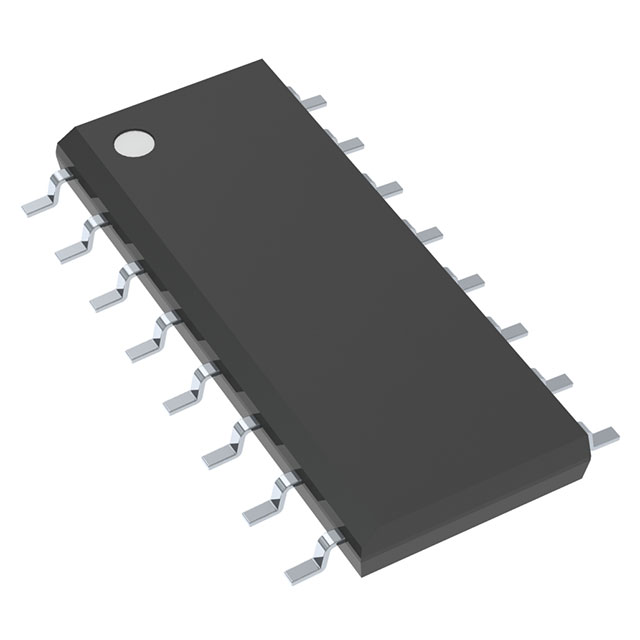
TMS3705FDRQ1
Search Product
Search Post
— IC芯片 | 连接器 | 传感器 | 被动器件 —
Search productSearch post
— IC芯片 | 连接器 | 传感器 | 被动器件 —
Consult the customer manager about the wholesale price.
consultation hotline:86-132-6715-2157
email:chipapexlimited@gmail.com
Contact the product manager for consultation. One-stop consultation is available.
Do you want a lower wholesale price? Please send us your inquiry and we will reply immediately.
Texas Instruments TMS3705FDRQ1 is used in RFID, RF Access, Monitoring ICs category in RF signal paths where layout, grounding, and interface choices determine real performance. Key specs include Description (LF READER IC), Temperature (-40°C ~ 85°C (TA)), Package/case (16-SOIC (0.154", 3.90mm Width)), Mounting (Surface Mount), and Packaging (Tape & Reel (TR), Cut Tape (CT)).
What operating temperature range does TMS3705FDRQ1 support?
-40°C ~ 85°C (TA)
What operating frequency does TMS3705FDRQ1 run at?
134.2kHz
How is TMS3705FDRQ1 supplied (packaging)?
Tape & Reel (TR), Cut Tape (CT)
What is the Grade of TMS3705FDRQ1?
Automotive
When sourcing Texas Instruments TMS3705FDRQ1 for RFID, RF Access, Monitoring ICs, engineers typically focus on de-risking integration and keeping validation repeatable. Across many designs, predictable coexistence and filtering margins matter more than peak gain, because certification and field behavior depend on stability. Teams often validate RF blocks with real cable lengths and connectors because small impedance changes can move margins and spur profiles. In private LTE/5G small cells, RF behavior is validated for long duty cycles and temperature drift in compact enclosures. Across industrial handhelds, RF stability is validated under drops, vibration, and battery sag so links do not desense or intermittently fail. Across industrial handheld radios, RF robustness is validated under shock and battery sag because enclosure effects and supply droop change margins. Within rugged handhelds, stability under vibration and low battery conditions is treated as a primary constraint for RF qualification.
 TMS3705FDRQ1
The activity of extra discounts on wholesale prices is in full swing…
Please fill in your contact information and we will send you the latest wholesale price list.