ChipApex | Global Electronic Components Supplier
TR-NEO-ES
Search Product
Search Post
— IC芯片 | 连接器 | 传感器 | 被动器件 —
Search productSearch post
— IC芯片 | 连接器 | 传感器 | 被动器件 —
Consult the customer manager about the wholesale price.
consultation hotline:86-132-6715-2157
email:chipapexlimited@gmail.com
Contact the product manager for consultation. One-stop consultation is available.
Do you want a lower wholesale price? Please send us your inquiry and we will reply immediately.
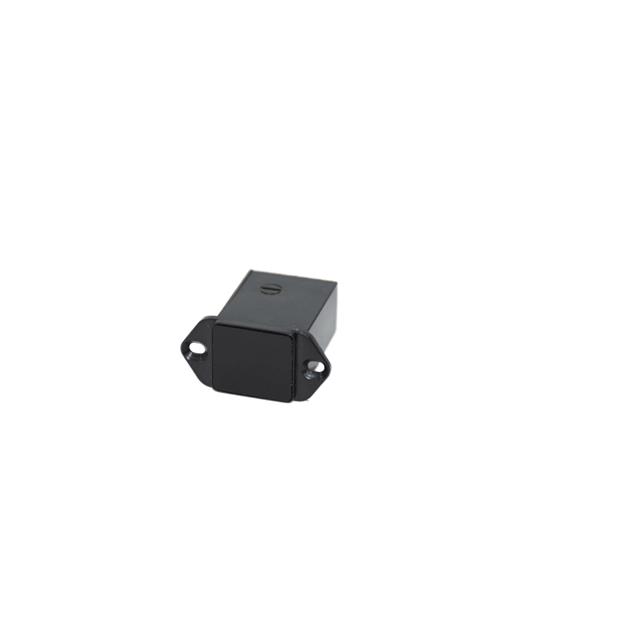
Terabee SAS TR-NEO-ES is selected in Image Sensors, Camera category when calibration, drift, and environment constraints must be validated early. Key specs include Description (TERARANGER NEO ES), Type (3D Time of Flight), Temperature (0°C ~ 60°C), and Package/case (Module).
How do I validate sensor performance for TR-NEO-ES?
Test with real fixtures and environmental conditions, then confirm calibration, drift, and noise behavior meet your requirements.
Can you confirm the package/case for TR-NEO-ES?
Module
Which supply voltage range is specified for TR-NEO-ES?
4.75V ~ 5.25V
Which packaging option is listed for TR-NEO-ES?
Bag
For Terabee SAS TR-NEO-ES in the Image Sensors, Camera category, teams usually prioritize documentation clarity and repeatable behavior in production. For isolation, engineers validate CMTI, propagation delay, and aging; for indicators, they validate readability across ambient light and temperature. In practice, optoelectronics are judged by stability in the enclosure: thermal rise, optics, alignment, and contamination over time. In outdoor equipment, UV exposure and moisture drive sealing and derating choices for optical components. Across outdoor equipment, optical blocks are qualified for UV exposure and condensation so brightness and sensitivity remain stable over years. In industrial HMIs, bright indicators and optical sensing improve diagnostics when panels are exposed to dust, oil mist, and high ambient light. Once integration risk is understood, teams validate the same constraints under the actual enclosure, cabling, and power conditions. Within production builds, the emphasis shifts to repeatable testing, predictable failure modes, and stable behavior across lots.
 TR-NEO-ES
The activity of extra discounts on wholesale prices is in full swing…
Please fill in your contact information and we will send you the latest wholesale price list.