ChipApex | Global Electronic Components Supplier
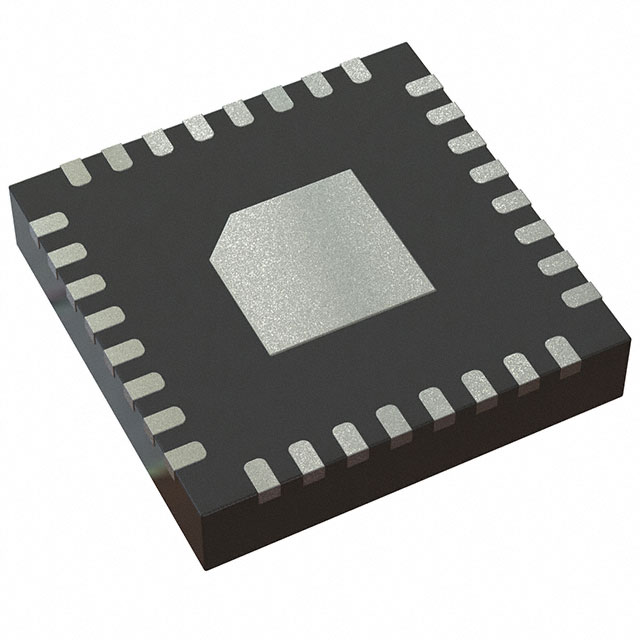
TRF7961RHBR
Search Product
Search Post
— IC芯片 | 连接器 | 传感器 | 被动器件 —
Search productSearch post
— IC芯片 | 连接器 | 传感器 | 被动器件 —
Consult the customer manager about the wholesale price.
consultation hotline:86-132-6715-2157
email:chipapexlimited@gmail.com
Contact the product manager for consultation. One-stop consultation is available.
Do you want a lower wholesale price? Please send us your inquiry and we will reply immediately.
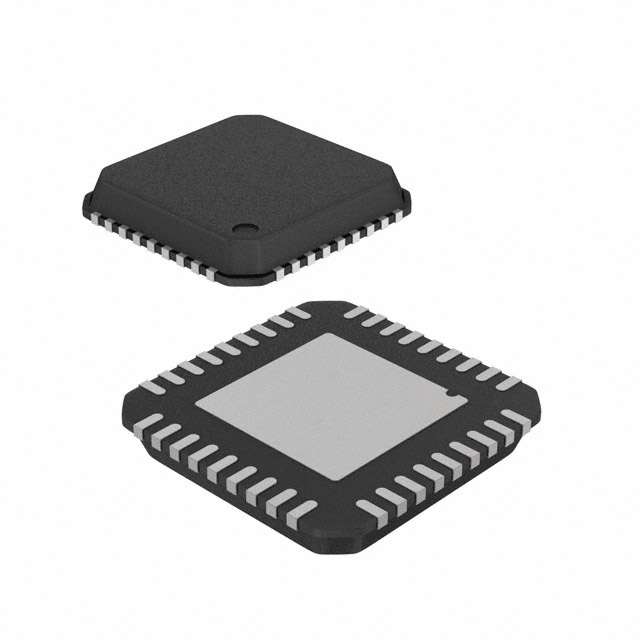
Texas Instruments TRF7961RHBR is evaluated in RFID, RF Access, Monitoring ICs category when frequency coverage and integration details must hold up in the real enclosure. Key specs include Description (IC RFID READER 13.56MHZ 32VQFN), Temperature (-40°C ~ 110°C), Package/case (32-VFQFN Exposed Pad), Mounting (Surface Mount), and Packaging (Tape & Reel (TR), Cut Tape (CT)).
Any tips for integrating TRF7961RHBR into an RF signal path?
Pay attention to impedance continuity, grounding, connector transitions, and layout symmetry to minimize loss and reflections.
What Standards is listed for TRF7961RHBR?
ISO 14443, ISO 15693, ISO 18000-3
Can you confirm the operating temperature range for TRF7961RHBR?
-40°C ~ 110°C
What is the Interface of TRF7961RHBR?
SPI
Across many RFID, RF Access, Monitoring ICs builds, Texas Instruments TRF7961RHBR is reviewed for predictable behavior, supportability, and stable qualification evidence. In dense radios, isolation and routing discipline reduce desense and make emissions behavior easier to reproduce during compliance testing. They shape RF performance by controlling gain, matching, filtering, routing, and isolation in high-frequency signal paths. In private LTE/5G small cells, RF behavior is validated for long duty cycles and temperature drift in compact enclosures. In industrial radios, RF parts are validated for drift and detuning as enclosures heat soak and cable routing varies between installs. Within consumer wearables, compact RF integration must maintain margin under tight ground planes and frequent human-body detuning. This is why the following scenarios matter: they reflect the environmental and integration stresses that dominate outcomes. From an engineering workflow standpoint, this is where bench validation and field constraints meet.
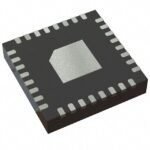 TRF7961RHBR
The activity of extra discounts on wholesale prices is in full swing…
Please fill in your contact information and we will send you the latest wholesale price list.