ChipApex | Global Electronic Components Supplier
U2270B-MFPG3Y
Search Product
Search Post
— IC芯片 | 连接器 | 传感器 | 被动器件 —
Search productSearch post
— IC芯片 | 连接器 | 传感器 | 被动器件 —
Consult the customer manager about the wholesale price.
consultation hotline:86-132-6715-2157
email:chipapexlimited@gmail.com
Contact the product manager for consultation. One-stop consultation is available.
Do you want a lower wholesale price? Please send us your inquiry and we will reply immediately.
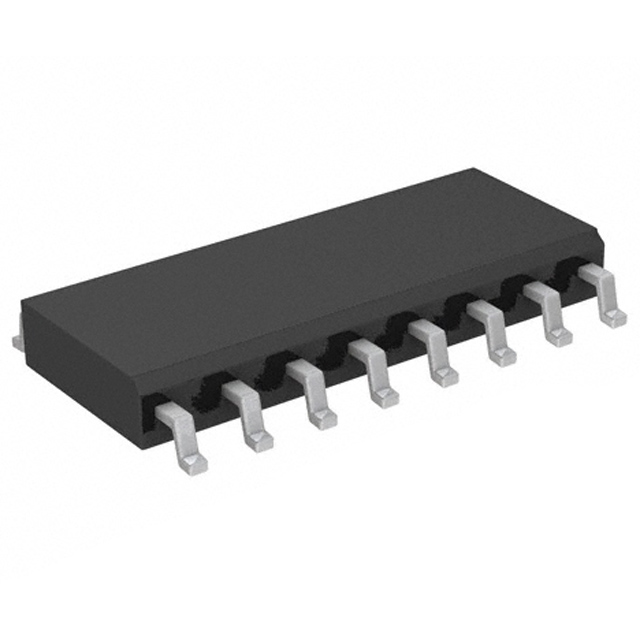
Microchip Technology U2270B-MFPG3Y is evaluated in RFID, RF Access, Monitoring ICs category when frequency coverage and integration details must hold up in the real enclosure. Key specs include Description (IC RFID READER 100-150KHZ 16SO), Temperature (-40°C ~ 105°C), Package/case (16-SOIC (0.154", 3.90mm Width)), Mounting (Surface Mount), and Packaging (Tape & Reel (TR)).
What are common selection points for RF parts like U2270B-MFPG3Y?
Compare frequency coverage, loss/isolation trade-offs, power handling, and mechanical interface constraints (connectors, mounting).
What operating frequency does U2270B-MFPG3Y run at?
100kHz ~ 150kHz
Which packaging option is listed for U2270B-MFPG3Y?
Tape & Reel (TR)
Can you confirm the package/case for U2270B-MFPG3Y?
16-SOIC (0.154", 3.90mm Width)
When sourcing Microchip Technology U2270B-MFPG3Y for RFID, RF Access, Monitoring ICs, engineers typically focus on de-risking integration and keeping validation repeatable. In real deployments, teams often favor RF parts with clear reference layouts and measured example designs, because layout determines whether the numbers are reachable. A robust RF choice reduces late surprises by keeping coexistence and emissions behavior predictable under routing constraints. In smart meters, stable RF performance typically reduces read failures caused by temperature drift and installation variability. Within drones and remote sensing payloads, RF stages are validated for sensitivity and coexistence under tight power budgets and compact antennas. Within remote sensing nodes, RF links are qualified for detuning and coexistence because packaging and mounting dominate outcomes. In production builds, repeatability is what protects you from lot variation and environmental stress.
 U2270B-MFPG3Y
The activity of extra discounts on wholesale prices is in full swing…
Please fill in your contact information and we will send you the latest wholesale price list.