ChipApex | Global Electronic Components Supplier
VOT8125AB-VT
Search Product
Search Post
— IC芯片 | 连接器 | 传感器 | 被动器件 —
Search productSearch post
— IC芯片 | 连接器 | 传感器 | 被动器件 —
Consult the customer manager about the wholesale price.
consultation hotline:86-132-6715-2157
email:chipapexlimited@gmail.com
Contact the product manager for consultation. One-stop consultation is available.
Do you want a lower wholesale price? Please send us your inquiry and we will reply immediately.
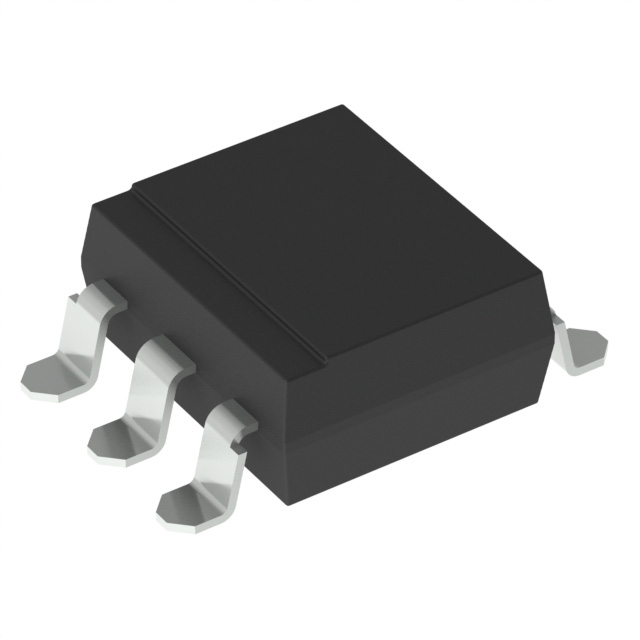
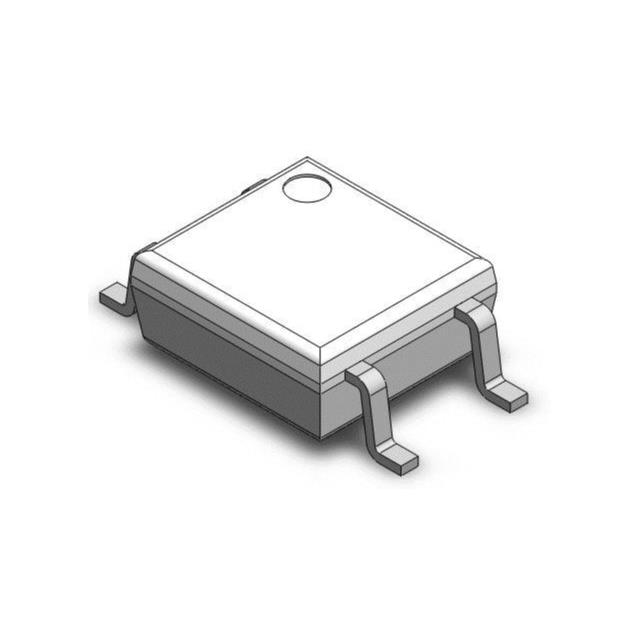
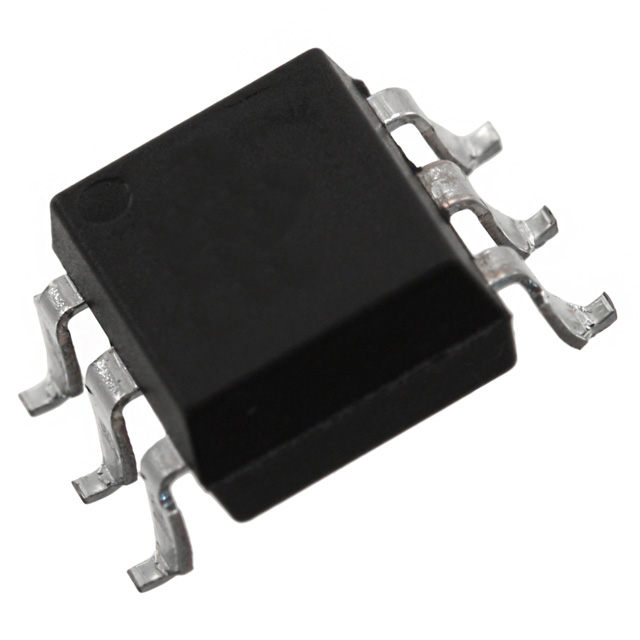
Vishay Semiconductor Opto Division VOT8125AB-VT is used in Triac, SCR Output Optoisolators category where integration and verification need to stay predictable. Key specs include Description (OPTOISOLATOR 5KV TRIAC 1CH 6-SMD), Packaging (Tape & Reel (TR), Cut Tape (CT)), Temperature (-40°C ~ 110°C), Package/case (6-SMD (5 Leads), Gull Wing), and Mounting (Surface Mount).
What should I verify before using VOT8125AB-VT in production?
Confirm footprint/pinout, min/max ratings, operating temperature, and the datasheet test conditions behind key specifications.
Which Static dV/dt (Min) is listed for VOT8125AB-VT?
1kV/µs
What is the mounting type of VOT8125AB-VT?
Surface Mount
Can you confirm the Current - Hold (Ih) for VOT8125AB-VT?
400µA Typ
In real deployments, when sourcing Vishay Semiconductor Opto Division VOT8125AB-VT for Triac, SCR Output Optoisolators, engineers typically focus on de-risking integration and keeping validation repeatable. A well-designed isolation boundary improves robustness and reduces field failures caused by transients and ground shifts. They provide galvanic isolation for safety, noise immunity, and robust communication between domains with different ground potentials. This is why the following scenarios matter: they reflect the environmental and integration stresses that dominate outcomes. From an engineering workflow standpoint, this is where bench validation and field constraints meet. In practice, within medical equipment, isolation supports safety requirements and reduces measurement error from ground loops. Within motor drives and power supplies, isolated feedback and control paths tolerate high dv/dt switching and help meet safety and EMC requirements. In communications modules, isolated interfaces improve reliability when systems span multiple power domains and cables with separate reference potentials.
 VOT8125AB-VT
The activity of extra discounts on wholesale prices is in full swing…
Please fill in your contact information and we will send you the latest wholesale price list.