ChipApex | Global Electronic Components Supplier
XCF04SVO20C
Search Product
Search Post
— IC芯片 | 连接器 | 传感器 | 被动器件 —
Search productSearch post
— IC芯片 | 连接器 | 传感器 | 被动器件 —
Consult the customer manager about the wholesale price.
consultation hotline:86-132-6715-2157
email:chipapexlimited@gmail.com
Contact the product manager for consultation. One-stop consultation is available.
Do you want a lower wholesale price? Please send us your inquiry and we will reply immediately.
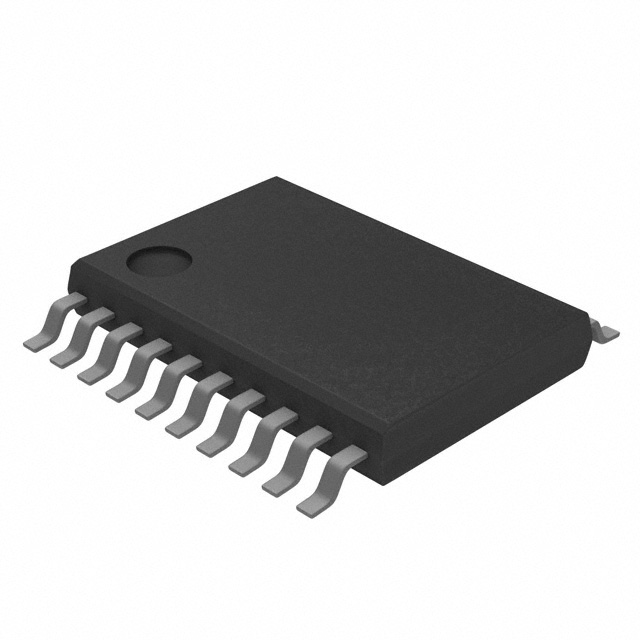
AMD XCF04SVO20C is sourced in Configuration PROMs for FPGAs category when teams want clear constraints and a repeatable validation path. Key specs include Description (IC PROM IN SYST PRG 3.3V 20TSSOP), Packaging (Tube), Supply (3V ~ 3.6V), Temperature (-40°C ~ 85°C), and Package/case (20-TSSOP (0.173", 4.40mm Width)).
What should I compare when selecting an alternate for XCF04SVO20C?
Compare footprint/pinout, key electrical limits, temperature range, and interface requirements, then validate under worst-case conditions.
Can you confirm the Supplier Device Package for XCF04SVO20C?
20-TSSOP
Can you confirm the packaging for XCF04SVO20C?
Tube
Which Programmable Type is specified for XCF04SVO20C?
In System Programmable
In practice, aMD XCF04SVO20C shows up under Configuration PROMs for FPGAs when designers want a well-bounded, datasheet-driven building block instead of a fragile board-level workaround. In real deployments, designers often use them to bridge voltage domains, protect I/O, and keep edges and thresholds well-behaved on shared buses. In many systems, careful use of interface logic typically reduces integration risk by making timing and signal integrity easier to validate. Across test equipment, deterministic gating and capture improves repeatability across fixtures and operator cycles. In safety systems, deterministic logic enforces interlocks and fault signaling even when the main controller is rebooting or overloaded. In practice, within embedded controllers, interface logic reduces ISR load by handling timing-critical edge counting and gating near the I/O pins.
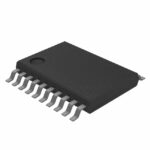 XCF04SVO20C
The activity of extra discounts on wholesale prices is in full swing…
Please fill in your contact information and we will send you the latest wholesale price list.