ChipApex | Global Electronic Components Supplier
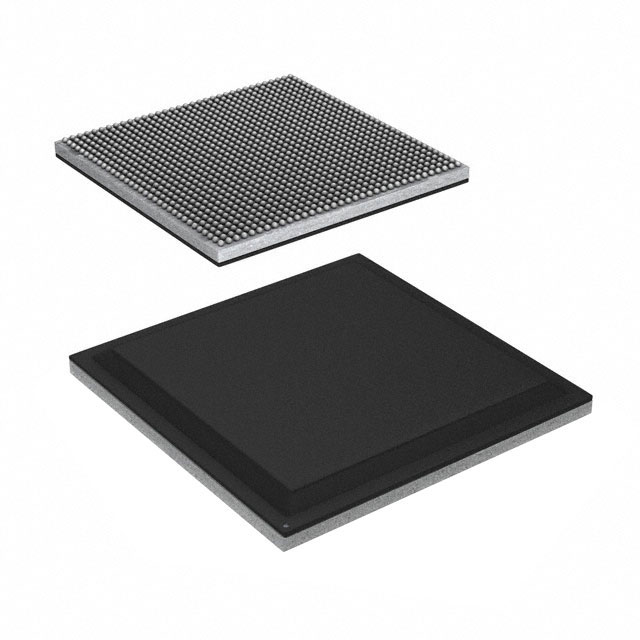
XCZU9EG-2FFVB1156I
Search Product
Search Post
— IC芯片 | 连接器 | 传感器 | 被动器件 —
Search productSearch post
— IC芯片 | 连接器 | 传感器 | 被动器件 —
Consult the customer manager about the wholesale price.
consultation hotline:86-132-6715-2157
email:chipapexlimited@gmail.com
Contact the product manager for consultation. One-stop consultation is available.
Do you want a lower wholesale price? Please send us your inquiry and we will reply immediately.
AMD XCZU9EG-2FFVB1156I is used in System On Chip (SoC) category where integration and verification need to stay predictable. Key specs include Description (IC SOC CORTEX-A53 1156FCBGA), Series (Zynq® UltraScale+™ MPSoC EG), Packaging (Tray), Temperature (-40°C ~ 100°C (TJ)), and Package/case (1156-BBGA, FCBGA).
Who is the manufacturer of XCZU9EG-2FFVB1156I?
AMD
What should I verify before using XCZU9EG-2FFVB1156I in production?
Confirm footprint/pinout, min/max ratings, operating temperature, and the datasheet test conditions behind key specifications.
What RAM Size is listed for XCZU9EG-2FFVB1156I?
256KB
What package type does XCZU9EG-2FFVB1156I come in?
1156-BBGA, FCBGA
AMD XCZU9EG-2FFVB1156I is listed under the System On Chip (SoC) category and is commonly used when correctness, reliability, and qualification repeatability matter. They execute firmware or algorithms and coordinate peripherals, communications, and security features that define product capabilities. Selection is driven by compute headroom, peripheral mix, toolchain maturity, lifecycle availability, and secure boot/update strategy. Across categories, lowering integration uncertainty is what turns validation into a repeatable process. In medical devices, deterministic processing and audit logging support regulated workflows and long-term maintainability. Within building automation, they aggregate sensor data and run local logic to keep systems functional even when cloud connectivity is intermittent. Across consumer products, compute and peripheral integration reduces BOM and speeds product iterations while maintaining stable user experience. In real deployments, repeatability across temperature, load, and noise is what keeps performance consistent.
 XCZU9EG-2FFVB1156I
The activity of extra discounts on wholesale prices is in full swing…
Please fill in your contact information and we will send you the latest wholesale price list.