ChipApex | Global Electronic Components Supplier
XPSDME1132P
Search Product
Search Post
— IC芯片 | 连接器 | 传感器 | 被动器件 —
Search productSearch post
— IC芯片 | 连接器 | 传感器 | 被动器件 —
Consult the customer manager about the wholesale price.
consultation hotline:86-132-6715-2157
email:chipapexlimited@gmail.com
Contact the product manager for consultation. One-stop consultation is available.
Do you want a lower wholesale price? Please send us your inquiry and we will reply immediately.
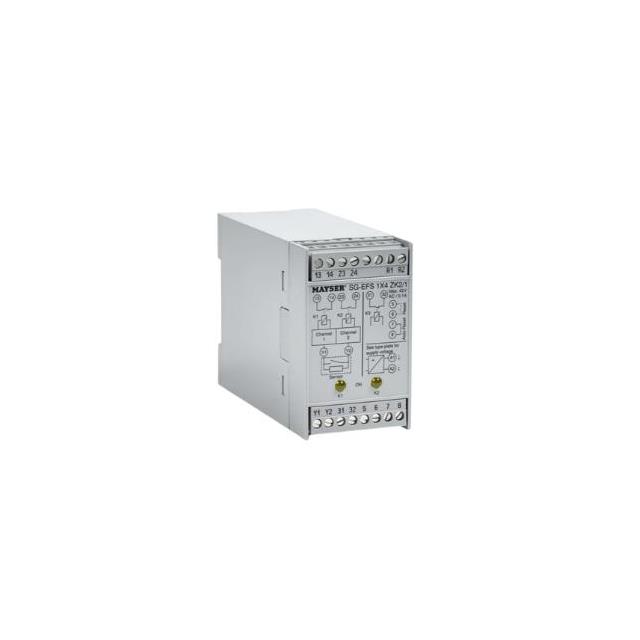
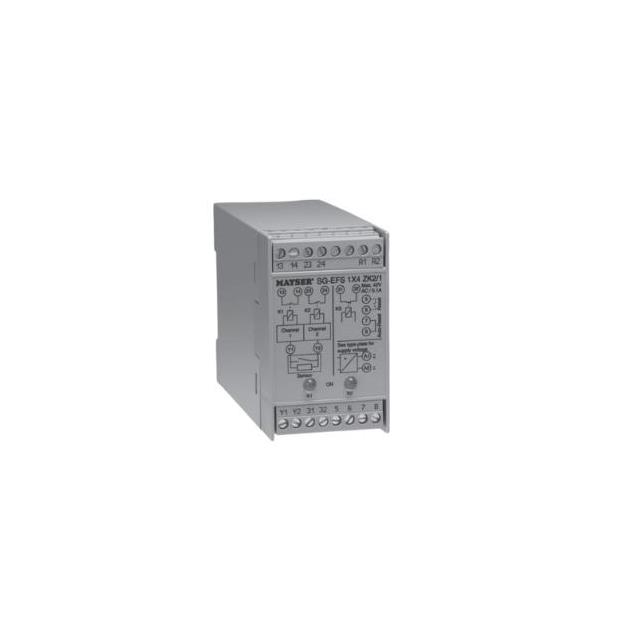
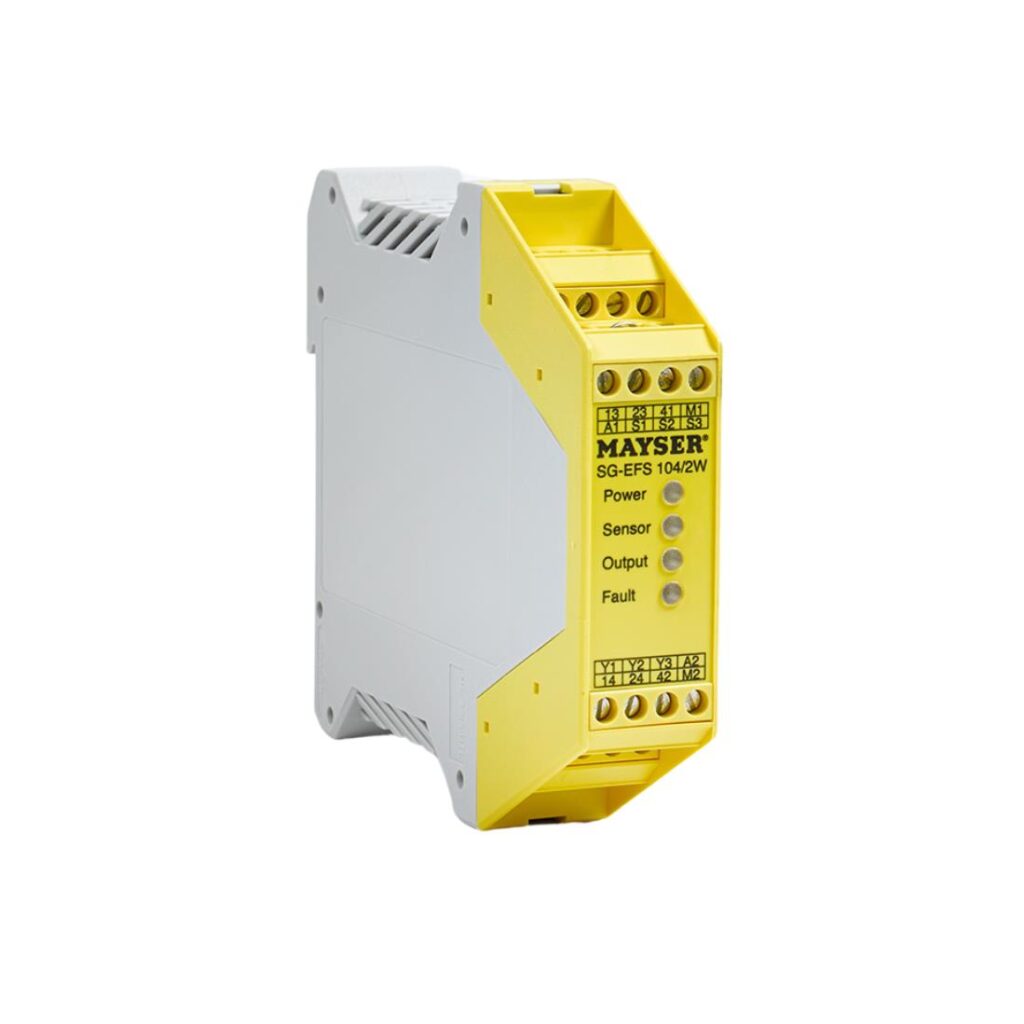
Schneider Electric XPSDME1132P is used in Safety Relays category when predictable switching behavior and derating under real loads are required. Key specs include Description (SAFETY RELAY 300V 2.5A PREVENTA), Temperature (-10°C ~ 55°C), Mounting (DIN Rail), and Packaging (Box).
How do I choose an alternate for XPSDME1132P?
Match footprint and ratings first, then confirm operating conditions and test conditions behind key specs before approval.
Can you confirm the Coil Voltage for XPSDME1132P?
24VDC
What temperature range is listed for XPSDME1132P?
-10°C ~ 55°C
Can you confirm the mounting type for XPSDME1132P?
DIN Rail
Schneider Electric XPSDME1132P shows up under Safety Relays when designers want a well-bounded, datasheet-driven building block instead of a fragile board-level workaround. Within many products, switching choices define failure modes, so teams favor predictable behavior and qualification evidence over headline ratings. Switching elements are typically vetted for bounce, derating, and failure behavior because those determine nuisance faults in the field. Safety relay designs emphasize deterministic failure modes, contact monitoring, and wiring practices so the safety function remains verifiable in the field. In practice, removing integration uncertainty is what keeps schedules predictable and field reliability high. In appliances, user-facing switching is validated for cycle life and ingress protection. In machinery control panels, safety relays are validated with real wiring practices and contamination exposure so behavior stays predictable in the field. In practice, within practice, predictable margins and repeatable validation are what keep field behavior consistent.
 XPSDME1132P
The activity of extra discounts on wholesale prices is in full swing…
Please fill in your contact information and we will send you the latest wholesale price list.