ChipApex | Global Electronic Components Supplier
XVF3000-TQ128-C
Search Product
Search Post
— IC芯片 | 连接器 | 传感器 | 被动器件 —
Search productSearch post
— IC芯片 | 连接器 | 传感器 | 被动器件 —
Consult the customer manager about the wholesale price.
consultation hotline:86-132-6715-2157
email:chipapexlimited@gmail.com
Contact the product manager for consultation. One-stop consultation is available.
Do you want a lower wholesale price? Please send us your inquiry and we will reply immediately.
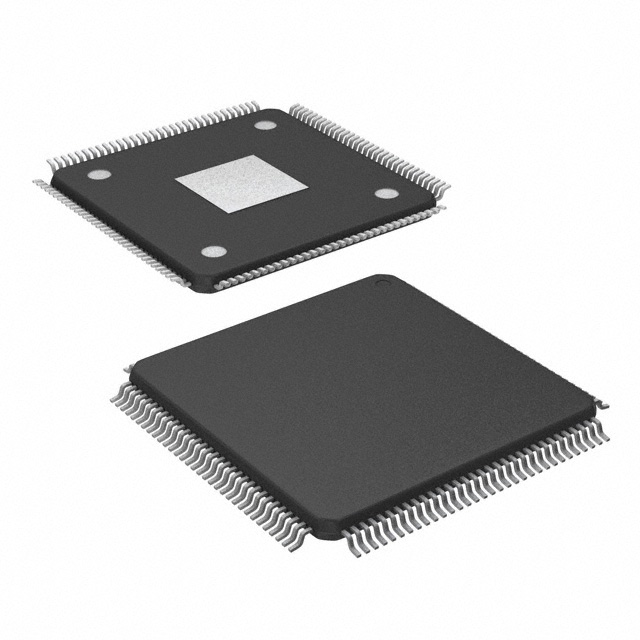
XMOS XVF3000-TQ128-C is selected in DSP (Digital Signal Processors) category when firmware headroom and I/O planning must remain stable across revisions. Key specs include Description (IC MCU 128TQFP), Package/case (128-TQFP Exposed Pad), and Mounting (Surface Mount).
Any tips for migrating firmware to XVF3000-TQ128-C?
Confirm pin functions, peripheral differences, timing assumptions, and memory layout, then validate under worst-case operating conditions.
What mounting style is specified for XVF3000-TQ128-C?
Surface Mount
How is XVF3000-TQ128-C packaged?
Tray
Can you confirm the Supplier Device Package for XVF3000-TQ128-C?
128-TQFP (14x14)
In real deployments, the question for XMOS XVF3000-TQ128-C in DSP (Digital Signal Processors) is whether it stays inside the electrical/thermal envelope while remaining easy to validate and support. They execute firmware or algorithms and coordinate peripherals, communications, and security features that define product capabilities. Selection is driven by compute headroom, peripheral mix, toolchain maturity, lifecycle availability, and secure boot/update strategy. In practice, after the initial fit check, the next question is whether the design remains stable across temperature, supply variation, and assembly tolerance. In medical devices, deterministic processing and audit logging support regulated workflows and long-term maintainability. Within building automation, they aggregate sensor data and run local logic to keep systems functional even when cloud connectivity is intermittent. A clear validation path helps reduce churn during bring-up and avoids late surprises during compliance work.
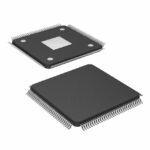 XVF3000-TQ128-C
The activity of extra discounts on wholesale prices is in full swing…
Please fill in your contact information and we will send you the latest wholesale price list.