ChipApex | Global Electronic Components Supplier
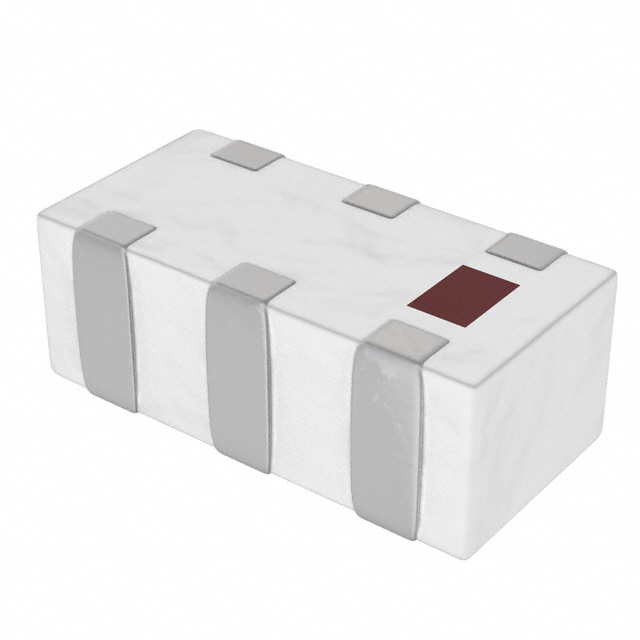
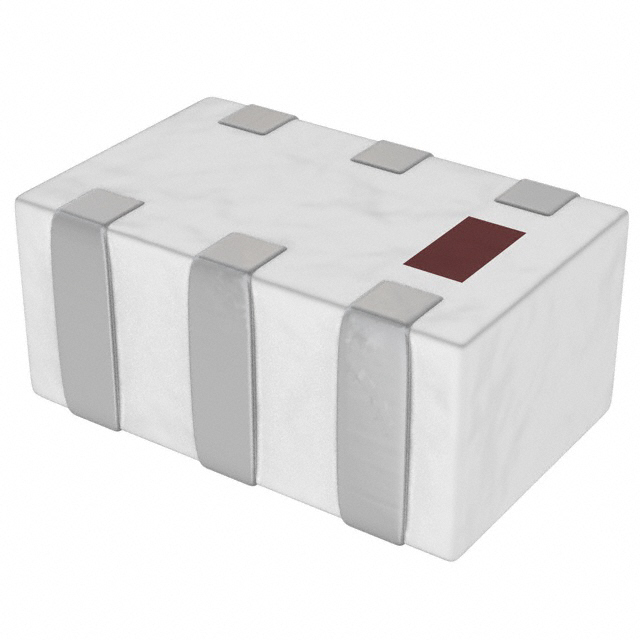
ZHDC-16-63-S+
Search Product
Search Post
— IC芯片 | 连接器 | 传感器 | 被动器件 —
Search productSearch post
— IC芯片 | 连接器 | 传感器 | 被动器件 —
Consult the customer manager about the wholesale price.
consultation hotline:86-132-6715-2157
email:chipapexlimited@gmail.com
Contact the product manager for consultation. One-stop consultation is available.
Do you want a lower wholesale price? Please send us your inquiry and we will reply immediately.
Mini-Circuits ZHDC-16-63-S is evaluated in RF Directional Coupler category when frequency coverage and integration details must hold up in the real enclosure. Key specs include Description (DIR COUP / SMA / ROHS), Package/case (Module, SMA Connectors), and Packaging (Box).
Any tips for integrating ZHDC-16-63-S into an RF signal path?
Pay attention to impedance continuity, grounding, connector transitions, and layout symmetry to minimize loss and reflections.
Which operating frequency is specified for ZHDC-16-63-S?
50MHz ~ 6GHz
What Coupling Factor is listed for ZHDC-16-63-S?
16.7dB
Which Supplier Device Package is listed for ZHDC-16-63-S?
Module
Selecting Mini-Circuits ZHDC-16-63-S for RF Directional Coupler usually comes down to meeting the system constraints that matter most: limits, interfaces, and testability in the real build. They shape RF performance by controlling gain, matching, filtering, routing, and isolation in high-frequency signal paths. Teams generally focus on layout discipline, controlled impedance, grounding, and shielding to prevent spurs, desense, and compliance failures. Within smart meters, stable RF performance reduces read failures caused by temperature drift and installation variability. In practice, within IoT gateways, matching and filtering improve sensitivity and coexistence in crowded 2.4 GHz and sub-GHz environments. Within aerospace telemetry, predictable RF routing and isolation improve resilience to interference and maintain link margin over long distances. A short worst-case validation run can quickly separate robust designs from fragile ones. Early targeted testing tends to expose true integration risks before a design is scaled to production.
 ZHDC-16-63-S+
The activity of extra discounts on wholesale prices is in full swing…
Please fill in your contact information and we will send you the latest wholesale price list.