ChipApex | Global Electronic Components Supplier
ZTP-115S
Search Product
Search Post
— IC芯片 | 连接器 | 传感器 | 被动器件 —
Search productSearch post
— IC芯片 | 连接器 | 传感器 | 被动器件 —
Consult the customer manager about the wholesale price.
consultation hotline:86-132-6715-2157
email:chipapexlimited@gmail.com
Contact the product manager for consultation. One-stop consultation is available.
Do you want a lower wholesale price? Please send us your inquiry and we will reply immediately.
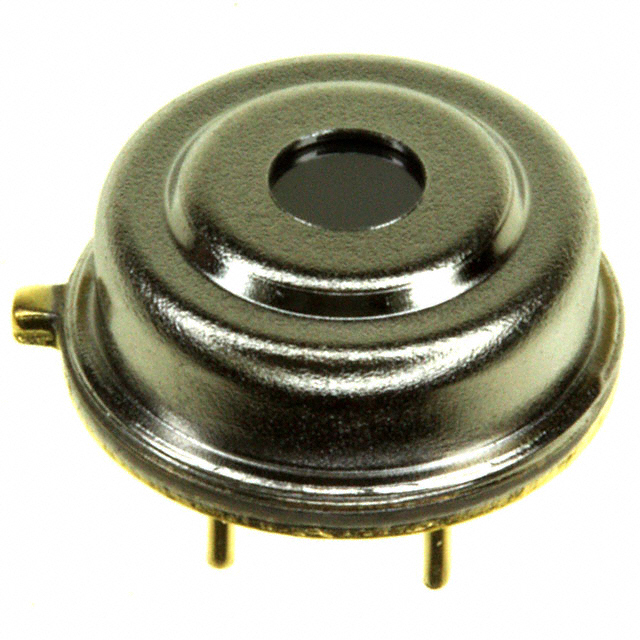
Amphenol Advanced Sensors (Thermometrics) ZTP-115S is sourced in Analog and Digital Output category when teams want clear constraints and a repeatable validation path. Key specs include Description (SENSOR ANALOG -20C-100C TO205AA), Packaging (Tape & Reel (TR)), Temperature (-20°C ~ 100°C), Package/case (TO-205AA, TO-5-4 Metal Can Variant), and Mounting (Through Hole).
What should I verify before using ZTP-115S in production?
Confirm footprint/pinout, min/max ratings, operating temperature, and the datasheet test conditions behind key specifications.
What is the Sensing Temperature - Remote of ZTP-115S?
0°C ~ 100°C (IR)
What operating temperature range does ZTP-115S support?
-20°C ~ 100°C
Which package/case is specified for ZTP-115S?
TO-205AA, TO-5-4 Metal Can Variant
In real deployments, when sourcing Amphenol Advanced Sensors (Thermometrics) ZTP-115S for Analog and Digital Output, engineers typically focus on de-risking integration and keeping validation repeatable. A practical reason to choose them is maintainability: clearer failure modes and easier field support over the product lifecycle. They are generally frequently selected to keep the design spec-driven and repeatable when scaling from prototype to production. In long-life equipment, stable documentation and clear failure behavior simplify service and future substitutions. In telecom racks, predictable behavior helps avoid intermittent issues that are expensive to diagnose during maintenance windows. Within industrial safety systems, clear failure modes and repeatable validation reduce risk during certification and audits. Early targeted testing tends to expose true integration risks before a design is scaled to production. Over the product lifecycle, it reduces maintenance burden by keeping behavior spec-driven and testable.
 ZTP-115S
The activity of extra discounts on wholesale prices is in full swing…
Please fill in your contact information and we will send you the latest wholesale price list.