ChipApex | Global Electronic Components Supplier
10AX016E4F29E3LG
Search Product
Search Post
— IC芯片 | 连接器 | 传感器 | 被动器件 —
Search productSearch post
— IC芯片 | 连接器 | 传感器 | 被动器件 —
Consult the customer manager about the wholesale price.
consultation hotline:86-132-6715-2157
email:chipapexlimited@gmail.com
Contact the product manager for consultation. One-stop consultation is available.
Do you want a lower wholesale price? Please send us your inquiry and we will reply immediately.
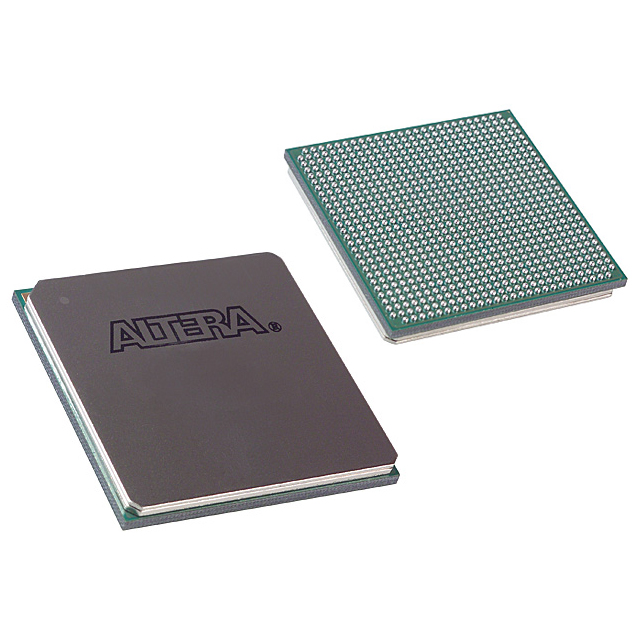
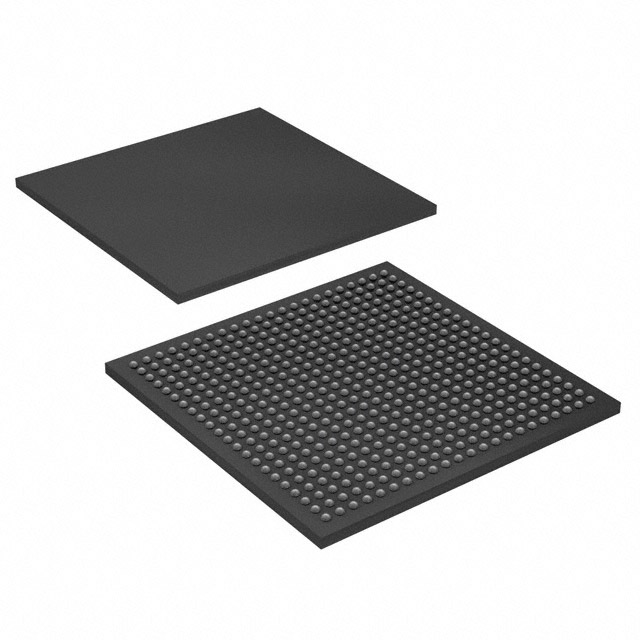
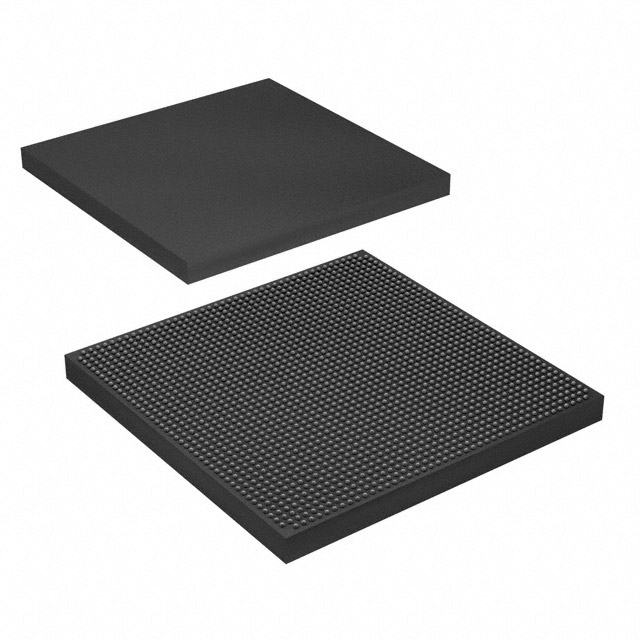
Altera 10AX016E4F29E3LG is used in FPGAs (Field Programmable Gate Array) category where interface timing, endurance expectations, and power behavior affect reliability. Key specs include Description (IC FPGA 288 I/O 780FBGA), Temperature (0°C ~ 100°C (TJ)), Package/case (780-BBGA, FCBGA), Mounting (Surface Mount), and Packaging (Tray).
Any tips for reliable operation with 10AX016E4F29E3LG?
Ensure robust power sequencing, adequate decoupling capacitors, and verify signal integrity on high-speed data buses.
Which Supplier Device Package is listed for 10AX016E4F29E3LG?
780-FBGA (29x29)
Can you confirm the Number of I/O for 10AX016E4F29E3LG?
288
What package/case is listed for 10AX016E4F29E3LG?
780-BBGA, FCBGA
Altera 10AX016E4F29E3LG shows up under FPGAs (Field Programmable Gate Array) when designers want a well-bounded, datasheet-driven building block instead of a fragile board-level workaround. Within practice, designers prefer logic that is easy to validate and less sensitive to small layout and process differences. For interlocks and glue logic, deterministic propagation and stable thresholds reduce intermittent faults and hard-to-debug timing escapes. In real deployments, across telecom and networking hardware, buffering and translation maintain timing margin on dense backplanes. In control and timing paths, simple gating enforces sequencing and interlocks where deterministic hardware behavior is preferred over firmware. In signal conditioning, gates and inverters clean up enables, chip-selects, and edge routing when fan-out and loading would otherwise distort thresholds. Once the boundary conditions are set, validation shifts to board-level measurements across the real operating corners. This approach keeps behavior predictable across manufacturing variance and operating conditions.
 10AX016E4F29E3LG
The activity of extra discounts on wholesale prices is in full swing…
Please fill in your contact information and we will send you the latest wholesale price list.